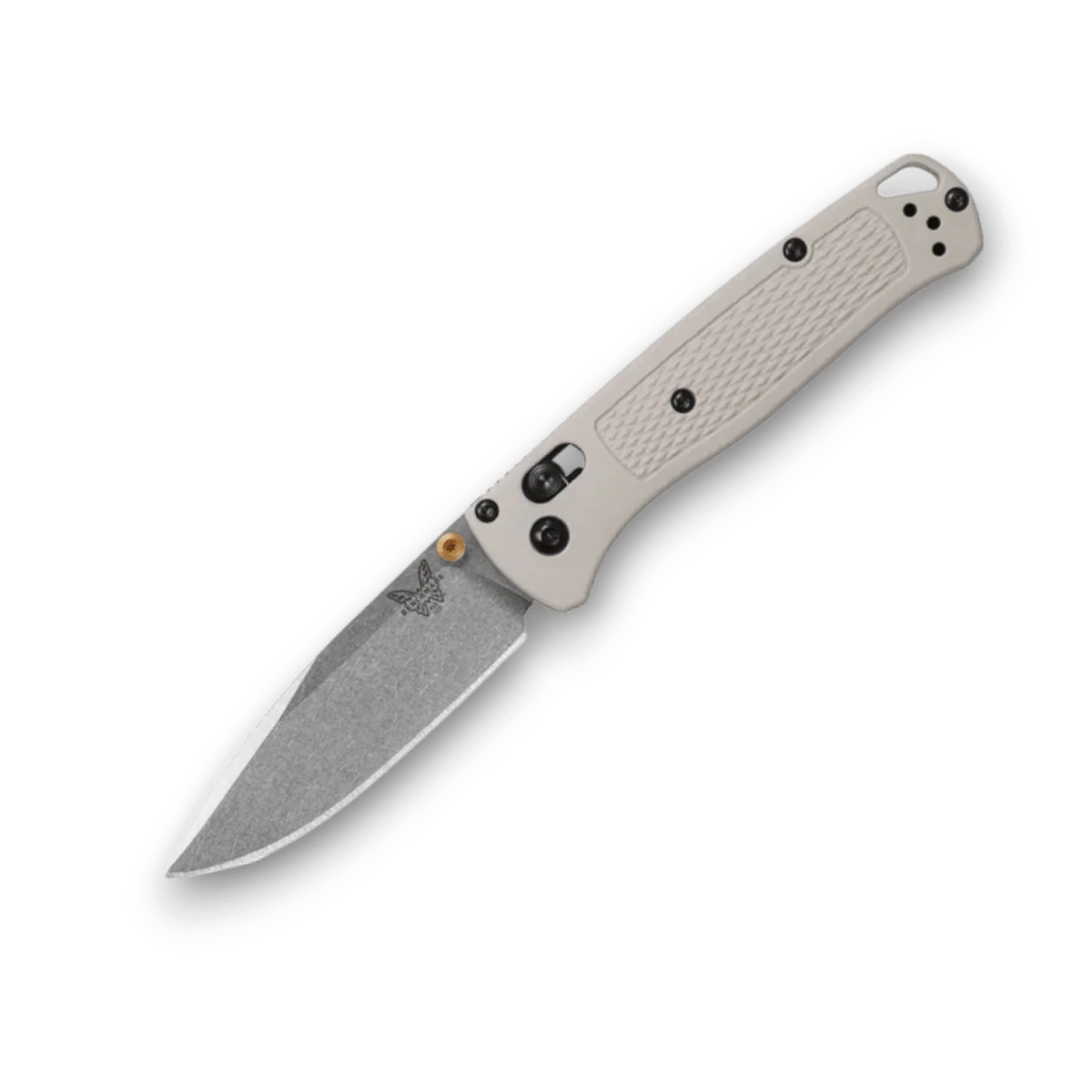
A pocket knife earns trust in the boring moments first. Opening a taped box, trimming cord at a campsite, slicing an apple on a lunch break, or cutting a loose tag before a meeting. The Benchmade Bugout keeps showing up in those conversations because it feels useful without acting oversized. It is light, slim, and built around a simple idea: an everyday carry knife should be present when needed and unnoticed when it is not. Benchmade lists the standard 535 Bugout with a 3.24-inch blade, 7.46-inch open length, and 1.85-ounce weight, which explains much of the appeal for U.S. buyers comparing pocket comfort against real cutting ability. For readers tracking practical gear, smart product buying insights often start with that same question: does this item make daily life easier after the first week? With this knife, the answer depends less on hype and more on your habits, local laws, and how much you value a lightweight folding knife that does not fight your pocket.
Why This Pocket Knife Took Over Everyday Carry Talk
The Bugout did not become a common recommendation because it looks loud. It became common because it solves a quiet problem. Many folding knives feel sturdy in the hand but annoying in gym shorts, work pants, or a thin hiking pocket. Others carry well but feel flimsy when cardboard, rope, or food prep shows up. The Bugout sits between those two camps, and that middle ground is why many everyday carry knife buyers keep circling back to it.
The Weight Is The Real Sales Pitch
A lot of shoppers start with steel, blade shape, or handle color. Then they carry the knife for a week and learn the truth. Weight decides whether the knife stays with them.
At 1.85 ounces in the standard configuration, the Bugout feels closer to a pen than a bulky tool. That matters in the USA, where daily clothing changes fast: jeans on Monday, joggers at the grocery store, hiking pants on Saturday, board shorts during a summer trip. A heavy knife may feel good at the counter. A light one gets carried.
The counterintuitive part is that light does not always mean delicate. The Bugout’s drop-point shape gives enough belly for slicing boxes and enough tip control for small cuts. That makes it more useful than its thin build suggests. A buyer expecting a toy-like pocket knife may be surprised by how grown-up it feels during normal chores.
The Appeal Is Not Only Outdoorsy
Many reviews frame the Bugout as a camping or hiking knife, and that is fair. Field & Stream praised it as a top Benchmade everyday carry option after testing, pointing to its light carry, ergonomic shape, and broad usefulness. But the bigger market may be less rugged than that.
Think of a homeowner in Ohio breaking down delivery boxes every night, a warehouse supervisor in Texas cutting plastic wrap, or a college student in Colorado trimming paracord before a weekend trip. None of those people need a dramatic blade. They need a clean, pocketable tool that feels safe and predictable.
That is the Bugout’s true lane. It is not trying to replace a fixed blade, a multitool, or a jobsite utility knife. It wins because it fits between them. For more general buying context, readers can compare it with everyday gear buying guides before deciding whether a premium folder makes sense.
What Makes the Benchmade Bugout Different From Cheaper Options
A cheap pocket knife can still cut. That part is not hard. The difference appears after months of pocket lint, taped packages, humid weather, and uneven sharpening. The Benchmade Bugout asks buyers to pay more upfront, so the honest question is simple: what do you get after the new-knife excitement wears off?
Blade Steel, Lock Feel, And Daily Confidence
The standard Bugout is widely associated with CPM-S30V steel, a stainless powder steel known for a useful mix of edge retention and corrosion resistance. That does not mean it never needs care. Any steel can dull. Any pocket knife can collect dirt. But S30V gives most owners a longer runway between touch-ups than bargain stainless.
The AXIS-style lock is another reason the Benchmade pocket knife crowd stays loyal. It lets the blade open and close smoothly while keeping fingers out of the blade path during closing. For left-handed users, that matters more than marketing copy. A lock that works from either side feels natural instead of like an afterthought.
Here is the quiet insight: the best feature may be confidence, not sharpness. Many cheaper knives arrive sharp. Fewer still feel centered, smooth, and dependable after a year of carry. That long-tail experience is where a premium lightweight folding knife earns its place.
The Handle Debate Is More Honest Than Fans Admit
The original Bugout’s Grivory handle helped keep weight low, but not everyone loves the feel. Some users notice flex during harder cuts. Men’s Journal noted that newer aluminum versions addressed that concern while keeping the design light and easy to carry.
That does not make the original wrong. It means buyers need to know themselves.
A backpacker who counts ounces may prefer the standard model. A contractor who cuts thicker material may want aluminum scales or a different knife. A desk-to-garage user may never care about handle flex at all. This is where online hype can mislead people. The “best” everyday carry knife is not always the strongest one. It is the one that matches your real work.
A useful test is simple. Look at what you cut last week. If the answer is mostly tape, cardboard, twine, food packaging, and light outdoor tasks, the Bugout’s lighter build makes sense. If the answer includes scraping, prying, or rough jobsite abuse, choose something heavier or use the right tool for those jobs.
Buying One In The USA Means Checking More Than Price
American buyers often compare color, steel, handle material, and sale timing. That is normal. But a folding knife is not the same as buying headphones or a water bottle. Carry laws change by state, city, and location type. A knife that is fine in your pocket during a weekend hike may not belong in a courthouse, school, airport checkpoint, or certain workplace.
Knife Laws Are Local, Not National
The American Knife & Tool Institute provides state-by-state knife law summaries and warns that rules can vary by mechanism, blade length, carry method, and restricted location. It also states that its summaries are a reference, not legal advice. That matters because the Bugout’s 3.24-inch blade may be acceptable in many places yet still create issues under certain local rules.
Do not assume “folding knife” means “legal everywhere.” That is the mistake casual buyers make.
A New Yorker, a Californian, and a Texan may face different concerns. A traveler passing through airports has another issue. TSA states that knives are not allowed in carry-on bags, while they may be allowed in checked bags with limits and proper handling. For flyers, the safest habit is boring: check the current TSA page before packing and do not bring a knife to the checkpoint.
The Best Deal Is Not Always The Lowest Price
Premium knives attract sale hunters, and the Bugout often gets attention when discounts appear. Still, price should not be the only filter. Counterfeits, gray-market listings, unclear warranties, and poor return policies can ruin the “deal.”
Buy from Benchmade directly or an authorized dealer when possible. Check the model number, steel, handle material, and warranty terms. Benchmade also promotes its LifeSharp service, which includes factory sharpening, cleaning, oiling, and adjustments for the life of the knife. That service has value only when the knife is genuine and supported.
This is where many shoppers miss the math. A $30 savings is not much if you lose warranty peace of mind. For a knife you may carry for years, trusted sourcing matters. Readers comparing premium tools can also review durable outdoor gear picks to see when paying more upfront is sensible.
Who Should Actually Buy This Everyday Carry Knife
The Bugout is popular, but popularity is not a personality match. Some buyers will love it within a day. Others will wonder why a thin folding knife costs so much. Both reactions can be fair. The smart move is to judge it by your pocket, your tasks, and your tolerance for maintenance.
It Fits People Who Want A Daily Tool, Not A Showpiece
The ideal Bugout owner wants a knife that disappears until needed. That person may open shipping boxes, trim cord, cut fishing line, prep lunch on a trail, or handle small chores around the garage. They value low weight more than heavy-duty feel.
The knife also fits people who dislike overbuilt pockets. Some EDC gear turns daily carry into a small costume. The Bugout avoids that. It clips in, rides high enough to grab, and does not drag down soft pants. That sounds minor until you live with it.
One non-obvious point: slim gear often gets used more because it causes less friction. The knife you leave at home has perfect specs on paper and zero value in the moment. That is why the Bugout keeps winning fans among people who care more about use than display.
It Is Not The Right Choice For Every Buyer
A buyer who wants a hard-use work knife may want something thicker. A collector chasing exotic materials may prefer a higher-end Bugout variant or another Benchmade line. Someone on a tight budget may find better value from less expensive brands if they only need a blade twice a month.
Maintenance also matters. Keep it dry, clean pocket grit from the pivot, and sharpen it before the edge becomes damaged. Do not use it as a screwdriver, pry bar, scraper, or emergency wedge. That sounds obvious, but many broken knife complaints start with asking a blade to be a tool it was never meant to be.
For the right person, the Benchmade pocket knife price starts to make sense over time. Not because it is magical. Because it is light enough to carry, capable enough for daily cuts, and refined enough to keep using after the novelty fades.
Conclusion
The smartest way to look at the Bugout is not as a trend. Trends fade when the next color, steel, or influencer pick arrives. A good pocket tool stays useful after the noise moves on. The Benchmade Bugout has earned attention because it solves the daily carry problem with restraint: light weight, clean slicing ability, a friendly lock, and enough model variety to fit different users. Still, it asks for honest judgment. Check your local rules, buy from a trusted source, and match the knife to the work you truly do. If you need a heavy shop blade, choose one. If you want a pocket-friendly cutter for normal American life, this design deserves its reputation. The best purchase is not the one everyone online praises. It is the one you carry, care for, and use responsibly.
Frequently Asked Questions
Is the Benchmade Bugout worth it for everyday carry?
Yes, for buyers who value low weight, smooth action, and long-term build quality. It makes less sense for someone who only opens a box once a month or wants a rough jobsite blade. Its strength is daily comfort.
How much does the standard Benchmade Bugout weigh?
The standard 535 Bugout is listed at about 1.85 ounces. That low weight is one of its main selling points because it carries well in jeans, hiking pants, gym shorts, and lighter everyday clothing.
What blade length does the Benchmade Bugout have?
The standard model has a 3.24-inch blade. That size is useful for common cutting jobs, but buyers should still check state, city, workplace, and travel rules before carrying it outside the home.
Is the Bugout good for hiking and camping?
Yes, it works well for light outdoor tasks such as cutting cord, food packaging, tape, and small camp chores. It is not a fixed blade replacement, so harder wood processing or heavy camp work calls for a stronger tool.
What is the difference between the Bugout and Mini Bugout?
The Mini Bugout is smaller and easier to carry in places where a shorter blade is preferred. The full-size Bugout gives more handle and blade length, which feels better for users with larger hands.
Can I fly with a Benchmade Bugout?
Not in a carry-on bag under TSA rules. Knives generally need to be packed in checked luggage, and sharp items should be secured. Always check current TSA and airline rules before traveling.
Does the Bugout handle feel too flexible?
Some owners notice flex in the original lightweight handle during harder cuts. Many daily users never find it a problem. Aluminum and upgraded versions feel firmer, though they may cost more and weigh more.
What should I check before buying one?
Check local laws, seller reputation, model number, steel type, handle material, warranty support, and return policy. A low price from an unclear seller may not beat buying from Benchmade or an authorized dealer.