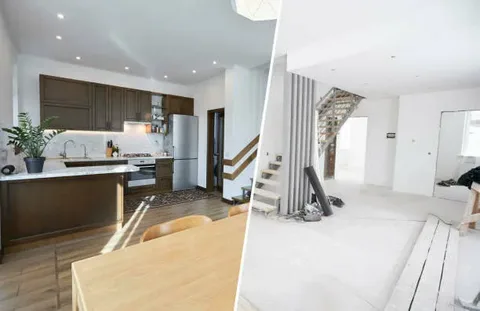
A house can look fine on a Tuesday morning and still be quietly wasting money behind the walls, under the floor, or in a layout that no longer fits how Americans live. The smartest owners do not renovate because they are bored; they renovate because every choice either protects future equity or chips away at it. Good Home Renovation Tips begin with restraint, because the most profitable project is often the one that fixes a daily frustration without turning the house into someone else’s fantasy. Across the USA, buyers want homes that feel cared for, efficient, bright, and easy to maintain. They may admire dramatic upgrades, but they usually pay more for confidence. A clean roofline, a dry basement, working systems, better storage, and a kitchen that does not fight the morning routine can say more than a flashy feature wall. For homeowners thinking about local visibility, vendor selection, or renovation-related business growth, a trusted digital PR partner can help connect useful home improvement stories with the right audience. Renovation is not decoration with a bigger bill. It is a decision about how your home will live, sell, and age.
Home Renovation Tips That Start With What Buyers Actually Notice
Most homeowners begin with the room that annoys them most, but buyers start somewhere colder: they judge whether the house feels risky. That first judgment happens before they admire tile, cabinet pulls, or paint colors. A home that feels solid earns patience from a buyer, while a home that feels neglected makes every small flaw look expensive.
Home improvement ideas that reduce doubt before adding style
Smart renovation starts with the boring things no one brags about at dinner. A roof near the end of its life, fogged windows, loose railings, old electrical panels, and water stains in a basement make buyers nervous before they understand the rest of the house. You can install a beautiful range, but if the inspection report reads like a warning label, that range becomes background noise.
American buyers have become sharper about maintenance because carrying costs already feel heavy. Insurance, taxes, mortgage rates, and repair bills sit in the back of every serious buyer’s mind. When they walk through a house and see repairs handled with care, they relax. That relaxed feeling is worth money because it lowers the fear of owning the place.
The counterintuitive move is to spend on the invisible before the visible. A sealed crawl space, corrected drainage, or updated wiring may not photograph well, but it changes the tone of negotiation. Buyers bargain hard when they smell future trouble. Remove the trouble, and the conversation shifts.
Property value upgrades that make the first walk-through feel easier
Strong curb appeal is not about creating the loudest house on the block. It is about making the property feel maintained before anyone opens the front door. Fresh exterior paint, clean gutters, trimmed trees, updated house numbers, and working outdoor lighting send a simple message: someone has been paying attention here.
A specific example makes the point. A ranch home in Ohio with a plain front elevation can gain more buyer interest from a repaired walkway, painted front door, and new exterior fixtures than from an oversized interior project no one sees online at first glance. The first photo earns the showing. The showing gives the house a chance.
Property value upgrades work best when they remove friction. A buyer should not have to imagine the home after cleanup, repairs, and weekend labor. They should feel the home is ready to receive them. That does not mean perfect. It means cared for in a way they can believe.
Planning Renovations Around Daily Life, Not Fantasy Photos
Once the home feels sound, the next question becomes how well it supports ordinary life. This is where many owners lose money. They copy dramatic photos and forget that real value lives in mornings, groceries, homework, laundry, pets, guests, and tired people trying to get dinner on the table.
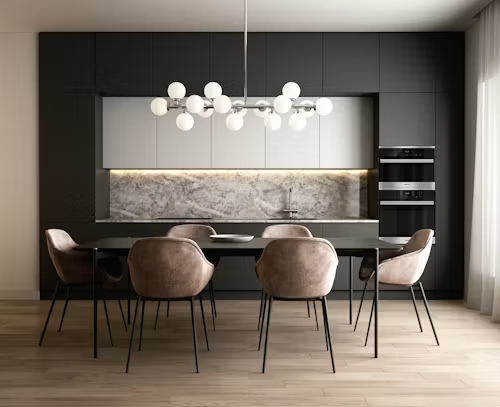
Kitchen remodeling that respects how people move
A kitchen does not need to be huge to feel expensive. It needs clear movement, enough counter space where work happens, and storage that does not punish the owner every day. A narrow kitchen with smart drawers, better lighting, and durable surfaces can beat a larger kitchen with awkward corners and wasted cabinets.
Kitchen remodeling should begin with traffic. Where do groceries land? Where does coffee happen? Can two people move without blocking each other? These questions sound plain, but they decide whether the space feels calm or irritating. Buyers sense that quickly, even when they cannot explain it.
One unexpected truth: expensive finishes can make a bad layout feel worse. A cramped island wrapped in stone still blocks the path. A high-end sink under poor lighting still annoys the cook. Fix movement first, then choose materials that support the plan.
Bathroom renovation ideas that balance comfort and resale
Bathrooms carry emotional weight because they reveal how a home has aged. Chipped grout, weak fans, dim lighting, and old caulk make a bathroom feel tired even when the plumbing works. Clean lines, better ventilation, and smart storage can lift the whole house without turning the room into a spa showroom.
Bathroom renovation ideas should stay practical in most American homes. A walk-in shower can help in a primary bath, but removing every tub may hurt families with small children. Heated floors feel pleasant in colder states, yet buyers in warmer markets may care more about airflow and easy cleaning.
Good renovation thinking respects the neighborhood. A modest starter home does not need hotel-level marble. It needs a bathroom that feels dry, bright, safe, and easy to keep clean. That kind of restraint protects the budget and keeps the home aligned with likely buyers.
Home Renovation Tips for Better Property Value in Older American Homes
Older homes carry charm, but charm has limits when daily use feels difficult. Many USA houses were built for different lives, different family patterns, and different energy costs. The goal is not to erase age. The goal is to make age feel like character instead of inconvenience.
Energy-efficient home upgrades that lower ownership stress
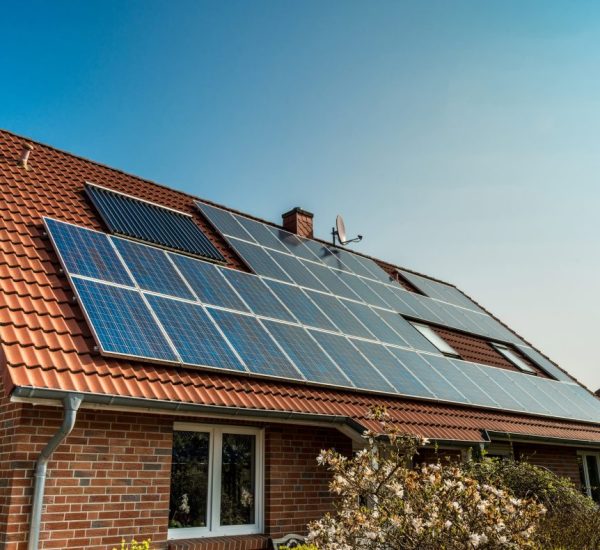
Energy-efficient home upgrades make sense because they touch the monthly budget after closing. Better attic insulation, sealed air leaks, modern windows where needed, efficient HVAC equipment, and smart thermostats can make a home feel more comfortable while reducing waste. Buyers may not calculate every dollar during a showing, but they notice drafts, uneven rooms, and old systems.
A 1970s split-level in Pennsylvania gives a useful example. The owner may be tempted to open walls for style, yet the house might gain more practical appeal from attic air sealing, improved insulation, and a tuned heating system. The home feels warmer, quieter, and less expensive to live in. That comfort changes how people respond to the space.
The surprise is that comfort often sells before beauty. People remember a house that felt good. They remember sunlight without glare, rooms without cold corners, and air that does not feel stale. Energy work supports that memory.
Smart home updates that should stay simple
Smart technology can help a home feel current, but it can also make a house feel fussy. Buyers do not want to inherit a mystery system with five apps, dead sensors, and passwords no one can find. They want convenience they can understand in ten seconds.
Smart home updates work best when they solve common problems. A video doorbell, smart thermostat, keyless entry, leak sensors near water heaters, and basic security lighting all make sense. These upgrades support safety, comfort, and control without turning the home into a gadget showroom.
A homeowner in Arizona, for instance, may get more value from a smart thermostat tied to cooling costs than from voice-controlled accent lighting. Local climate should guide the choice. Technology earns its place when it makes ownership easier, not when it tries to impress people who came to see the house.
Spending Where the Neighborhood Can Support the Return
Renovation does not happen in a vacuum. A project that makes sense in a high-demand Seattle suburb may make little sense in a small market where buyers cap their offers below the upgrade cost. The house sits inside a price band, and that price band has a ceiling.
Home improvement ideas that match the block
The surrounding homes set the conversation before your listing goes live. If nearby houses have simple kitchens, standard baths, and tidy exteriors, installing ultra-custom finishes may make your home memorable for the wrong reason. Buyers may love the look and still refuse to pay enough to cover the cost.
Home improvement ideas should raise the house to the stronger end of its local group without pushing it into a category the neighborhood cannot support. That may mean refinishing hardwood instead of replacing every floor, adding storage instead of expanding the footprint, or improving lighting instead of rebuilding a room.
The best renovators are honest about limits. They do not ask a modest house to carry a luxury budget. They make the home feel like the most cared-for version of itself, which is a far better goal than making it pretend to be something else.
Property value upgrades that avoid overbuilding
Overbuilding often starts with good intentions. A homeowner plans to stay for years, chooses personal finishes, expands the scope, and tells themselves resale will catch up later. Sometimes it does. Often, the market refuses to pay for choices that were made for one person’s taste.
Property value upgrades should pass a simple test: would a typical buyer in your area understand the benefit without a long explanation? A finished basement with legal egress, dry walls, and flexible living space usually passes. A custom wine wall in a family-heavy suburb may not.
A smart next step is to create a one-page renovation filter before spending. List the project cost, the problem it solves, the likely buyer benefit, and whether comparable homes support the upgrade. If the answer feels fuzzy, pause. Money saved from the wrong project can fund the right one later.
Renovating With Timing, Permits, and Resale Pressure in Mind
A good project can still become a bad experience when timing, permits, and contractor choices fall apart. Renovation is not only about what gets built. It is about how cleanly the work moves from idea to completion without trapping the owner in delays, surprise costs, or resale issues.
Bathroom renovation ideas that need proper sequencing
Small rooms can create large headaches when the work order goes wrong. Bathrooms need careful sequencing because plumbing, electrical, waterproofing, tile, ventilation, and fixtures all depend on one another. A rushed job may look fine for six months, then reveal itself through loose tiles, mildew, or leaks.
Bathroom renovation ideas should include a written schedule and material plan before demolition starts. Choose fixtures early, confirm lead times, and make sure the contractor understands inspection requirements in your city or county. Waiting until walls are open to make basic decisions adds stress and cost.
The unglamorous truth is that paperwork protects resale. Permits, invoices, warranties, and product records help future buyers trust the work. A beautiful bathroom with no proof behind it can become a negotiation target during inspection.
Energy-efficient home upgrades that fit the season
Some projects punish bad timing. Replacing windows during a freezing week in Minnesota, upgrading HVAC during a heat wave in Texas, or opening exterior walls during a rainy season can turn normal work into a mess. Season matters more than many owners admit.
Energy-efficient home upgrades should line up with weather, contractor availability, and household routines. Spring and fall often give owners more breathing room for HVAC, insulation, and exterior work. Families with children may prefer major interior projects during travel periods, while remote workers may need tighter dust control and work zones.
Good timing also helps with decision fatigue. Renovation creates hundreds of small choices, and tired owners make expensive ones. Build the calendar around your real life, not an ideal version of it, and the project will have a better chance of ending cleanly.
Conclusion
A valuable home does not come from chasing every trend that passes through social media. It comes from clear judgment, local awareness, and the discipline to solve the problems that buyers and homeowners feel every day. The strongest renovations make a house easier to trust, easier to live in, and easier to maintain after the excitement of the project fades. That is why Home Renovation Tips matter most when they help you say no as confidently as you say yes. Before you approve a project, ask whether it protects the structure, improves daily use, fits the neighborhood, and leaves a clean paper trail. If it does, the work has a real purpose. If it does not, the prettiest finish in the store will not rescue the decision. Walk your home this week with a notebook, start with the friction you have learned to ignore, and choose the one improvement that will make the house stronger for the next person as well as for you.
Frequently Asked Questions
What are the best home renovation tips for increasing resale value?
Focus on repairs, curb appeal, kitchen function, bathroom condition, energy performance, and storage before cosmetic upgrades. Buyers pay more when a house feels safe, clean, efficient, and easy to own. Style helps, but confidence sells the home faster.
Which property value upgrades matter most before selling a house?
Exterior maintenance, fresh paint, repaired flooring, updated lighting, basic kitchen improvements, clean bathrooms, and working major systems usually matter most. Buyers notice signs of neglect quickly, so fix visible wear and inspection risks before spending on personal design choices.
How do energy-efficient home upgrades help American homeowners?
They can lower monthly costs, improve comfort, and make the home feel better during extreme weather. Insulation, air sealing, efficient HVAC systems, and smart thermostats are practical upgrades because buyers understand comfort and operating costs right away.
Are kitchen remodeling projects always worth the cost?
They are worth it when they improve layout, storage, lighting, and daily use without overspending for the neighborhood. A clean, practical kitchen can help resale, but luxury finishes rarely save a poor floor plan or an inflated budget.
What bathroom renovation ideas are safest for resale?
Choose durable surfaces, strong ventilation, good lighting, practical storage, and clean fixtures. Keep at least one bathtub in many family-focused markets. Resale-friendly bathrooms feel fresh and easy to maintain rather than overly personal or expensive for the home’s price range.
How can smart home updates improve buyer interest?
Simple smart features can add comfort and safety without confusing buyers. Smart thermostats, video doorbells, keyless locks, leak sensors, and exterior lighting work well because they solve common ownership problems and do not require complicated setup.
What home improvement ideas should owners avoid?
Avoid projects that overbuild for the neighborhood, remove useful features, create odd layouts, or reflect narrow personal taste. Expensive custom choices can hurt resale when buyers do not share the same priorities or refuse to pay for them.
How should homeowners plan renovation spending before hiring a contractor?
Start with the problem, not the product. Write down the cost, purpose, buyer benefit, timing, permit needs, and likely resale impact. Then compare the project with nearby homes so the budget matches the market instead of emotion.