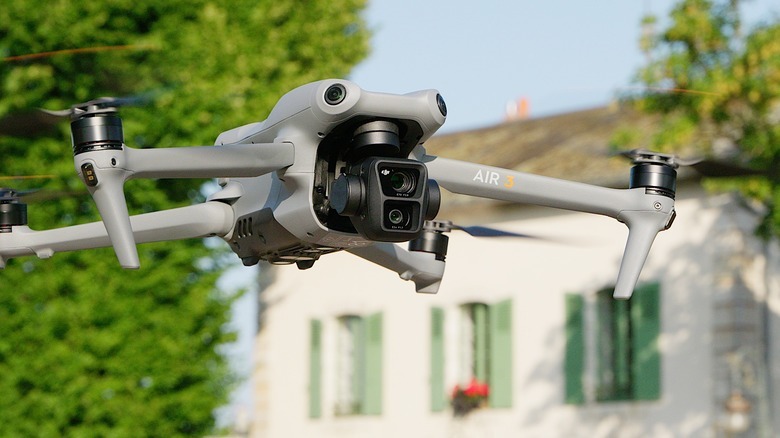
Most new drones sound better on a spec sheet than they feel in a backpack. DJI Air 3S looks different because its best pitch is not one wild feature. It is the mix: longer flight time, a better camera setup, smarter return behavior, and a body that still fits the travel drone lane. For U.S. creators, real estate shooters, hikers, parents, and weekend pilots, that matters more than another loud launch claim. You want cleaner footage, fewer battery swaps, and less panic when the light starts fading. DJI announced this model on October 15, 2024, as a dual-camera drone made for travel photography, with a 1-inch CMOS primary camera and a 70mm medium tele camera. That makes it less of a toy upgrade and more of a practical field tool. The best drone for most Americans is not the one with the wildest ad. It is the one you will carry, launch, and trust when the shot only lasts thirty seconds. That is why this release fits well inside broader creator-focused tech coverage for buyers trying to spend once and avoid regret.
Why This DJI Air 3S Release Matters for Everyday U.S. Pilots
The most useful drones do not make you work around them all day. They disappear into the plan. You pack them, charge them, check the weather, and shoot without feeling like the drone is the main event. That is the quiet reason this model has pulled attention from casual flyers and serious hobbyists alike.
The real win is less decision fatigue
A lot of drone buyers in the U.S. are not chasing cinema sets. They want one aircraft that can handle a beach sunrise in Florida, a mountain overlook in Colorado, a roofline shot for a listing, or a family trip through Utah. They may not know sensor sizes by heart, but they know when footage looks flat, shaky, noisy, or too far away.
This is where the dual-camera drone idea earns its keep. You are not stuck choosing between a wide landscape shot and a tighter angle that feels closer to the subject. A 70mm medium tele view can make a lighthouse, cabin, bridge, or ridge line feel present without forcing the pilot to fly too close. That is safer, cleaner, and often more tasteful.
The counterintuitive part is simple: more camera choice can make flying calmer, not harder. When both cameras serve clear roles, you spend less time forcing one lens to do every job. You stop flying closer for drama and start composing from a safer distance.
Why the 45-minute claim still needs street-level judgment
DJI lists a maximum flight time of 45 minutes for this aircraft, measured under controlled windless conditions at sea level. The same specs list a 724 g takeoff weight, which puts it far above the 250 g mark that affects U.S. registration rules. Those numbers matter, but they need real-world translation.
A 45-minute flight claim does not mean you should plan a 45-minute creative session on one battery. Wind, cold air, return distance, climbing, recording habits, and safety reserve all eat into that number. In Denver, a windy overlook can feel different from a calm park in Georgia. In winter, a battery that looked fine in your kitchen may drop faster outside.
Still, a longer flight time changes your behavior. You can take a breath before the second pass. You can wait for a truck to leave the frame. You can fly back, reset, and try a lower angle without hearing the low-battery warning in your head. That extra calm is worth more than the number printed on the box.
The Camera Upgrade Is About Choices, Not Bragging Rights
Camera talk gets messy fast. Brands throw sensor sizes, frame rates, and color terms at buyers until everything sounds expensive and empty. The useful question is easier: will this drone help you bring home footage that still looks good after you watch it on a laptop, TV, or client screen?
How a dual-camera drone changes the shot
The wide camera is still the workhorse. It gives you the sweep: the lake, the house, the winding road, the full backyard, the whole scene. DJI says the primary camera uses a 1-inch CMOS sensor with 50MP effective pixels, while the medium tele camera uses a 1/1.3-inch CMOS sensor with 48MP effective pixels. That pairing gives you two different ways to tell the same story.
For example, say you are filming a short rental cabin in North Carolina. The wide camera can show how the cabin sits near the trees. The tele camera can pick out the porch lights, firepit, railings, and mountain line behind it. The property suddenly feels less like a listing and more like a place someone can picture booking.
The drone camera upgrade is not only about sharpness. It is about distance, compression, and mood. A tighter aerial view can make ordinary scenes feel more deliberate. That is the part many beginners miss.
Low-light video makes the weakest hour more useful
Golden hour is beautiful, but it is also annoying. The best light often arrives when your battery is half gone, wind has shifted, and everyone else is standing around waiting. A better camera helps most when conditions are not perfect.
DJI describes the model as having up to 14 stops of dynamic range, 4K/60fps HDR video, nightscape obstacle sensing, and a next-gen Smart RTH setup aimed at safer nighttime photography. That does not mean you should fly blindly after dark. It means the drone is built with the kind of light most people actually shoot in: sunset, blue hour, shadowed streets, tree cover, and mixed building lights.
The non-obvious benefit is editing time. Cleaner low-light footage needs fewer fixes. You are less likely to crush shadows, over-brighten skies, or throw away clips because the image fell apart. For a YouTuber in Austin, a wedding venue shooter in Ohio, or a small business owner filming a storefront, that saves more than pride. It saves the work.
Flight Time Changes How You Plan a Local Shoot
Battery life shapes the day more than most first-time buyers expect. It decides how many angles you try, how far you walk from the car, how much wind you tolerate, and whether you risk one more pass. Longer flight time does not make you careless. It gives you room to be careful.
One battery can cover the boring parts too
A good aerial clip often hides ten dull minutes behind it. You launch, wait for satellites, check exposure, frame the first pass, notice a car in the way, adjust height, and try again. Beginners think the camera starts earning the moment the propellers spin. It does not.
That is why a 45-minute flight time feels different in practice. It can cover the setup, the mistake, the second idea, and the safe return. A creator filming a local baseball field for a community video may need one wide establishing shot, one slow orbit, and one top-down clip of the diamond. None of that is hard, but rushing makes it look cheap.
A 45-minute flight time also changes how you pack. You may still want extra batteries, but you are not forced into the same frantic rhythm. The best footage often comes after the first safe take, when you have seen the scene from above and know what it is asking for.
Range matters less than battery behavior
Drone ads love distance. In daily American use, distance is often the least interesting part. Parks, neighborhoods, trailheads, beaches, farms, and job sites all reward controlled flying more than far flying. The better question is whether the drone gives you enough time to get out, frame, shoot, and return without feeling squeezed.
This is where restraint becomes a skill. A pilot who keeps the aircraft closer can use the better camera to make the shot feel rich without pushing the drone to the edge of comfort. The tele camera helps here because it gives you reach without making reach the whole mission.
The odd truth is that better battery life can make responsible pilots more conservative. When you are not fighting the clock, you can leave a larger safety margin. You can bring the drone home before the warning becomes a command. That is how good pilots behave.
What U.S. Buyers Should Check Before Flying
A drone can be easy to buy and still serious to operate. That line matters in the United States because local airspace, parks, airports, and neighborhood expectations can turn a fun flight into a bad afternoon. The aircraft may be smart, but the pilot still owns the choice.
Registration and TRUST are not optional chores
Because this drone weighs more than 250 grams, U.S. recreational pilots should expect to register it. The FAA says recreational flyers must register drones that weigh 250 grams or more, take the free TRUST test, carry proof, and follow visual line-of-sight rules. You can review the FAA recreational drone rules before flying in the United States.
That sounds dull. It is also the cheapest way to avoid mistakes. A new pilot in Phoenix may think an empty-looking desert area is fine, then learn the hard way that airspace and land rules are separate questions. A beach town may have local limits. A state park may restrict launches. A city may treat drones differently from model aircraft clubs.
Remote ID is part of the same reality. The FAA says drones that need registration also need Remote ID broadcast capability unless flown in an FAA-Recognized Identification Area. The point is not to scare buyers. It is to remind them that a premium aircraft deserves a legal flying routine.
The smart buy is a whole flying kit, not a box
New pilots often spend all their energy comparing the drone and forget the kit. That is backwards. The aircraft is the centerpiece, but the day depends on batteries, charging, memory cards, ND filters, case space, landing pad, screen brightness, and your phone or controller setup.
For a road trip through Arizona, two spare batteries may matter more than a flashy accessory. For coastal shoots in Maine, a landing pad can keep sand and grit out of the props. For bright summer work in California, ND filters can help motion look less harsh. None of these items feel exciting in a product photo. They save shoots.
The drone camera upgrade also raises storage expectations. Better footage fills cards faster, and 4K clips can punish a sloppy file routine. Name folders by date and location. Back up before editing. Keep one card empty in the bag. Small habits protect expensive moments.
Conclusion
A strong drone release is not the one that makes every older model feel useless. The DJI Air 3S makes the most sense because it improves the parts that shape real flights: time in the air, camera choice, low-light confidence, and safer return behavior. It sits in a sweet spot for Americans who want serious aerial footage without stepping into a heavier pro setup. The better camera matters, but the larger win is how much less the pilot has to fight the tool. That is the sign of a mature drone. It lets the scene lead. If you are upgrading from an older midrange model, buying your first serious travel drone, or building a small content kit, compare it by how you fly, not by how the launch page sounds. Start with your locations, your legal checklist, your editing needs, and your patience level. Then buy the setup that helps you bring the drone home with footage you are proud to use.
Frequently Asked Questions
Is the new DJI drone good for beginners in the United States?
Yes, but it suits careful beginners more than casual toy-drone buyers. The aircraft has strong safety and camera features, yet its weight means U.S. pilots need registration, TRUST proof, and a clear understanding of local airspace rules before flying.
How long can this drone fly on one battery?
DJI lists a maximum of 45 minutes under controlled test conditions. In normal use, expect less because wind, temperature, climbing, recording, and return distance reduce battery time. Plan with a safety reserve instead of chasing the full claim.
Is the better camera worth paying more for?
Yes, if you care about travel videos, real estate clips, landscape shots, or content work. The bigger value is not only sharper footage. It is having wide and medium tele views, which lets you compose better shots without flying too close.
Can this drone be used for real estate videos?
Yes, it can work well for real estate, especially larger homes, land listings, cabins, and rental properties. U.S. pilots filming for business usually need to follow Part 107 rules, so the legal side matters as much as the camera.
Does a 45-minute flight time mean I need fewer batteries?
It may reduce battery pressure, but it does not remove the need for extras. A second or third battery helps when you travel, reshoot, face wind, or cover more than one location. One battery is rarely enough for paid work.
What makes a dual-camera drone useful for travel?
A wide camera captures the place, while a medium tele camera can isolate details from a safer distance. That helps with cliffs, buildings, beaches, bridges, and mountain scenes where moving closer may be risky, rude, or against local rules.
Do I need to register this drone with the FAA?
For recreational flying in the United States, drones weighing 250 grams or more must be registered. Since this model is above that weight, buyers should plan on registration, TRUST completion, and carrying proof during flights.
What should I buy with the drone first?
Start with extra batteries, a safe case, fast memory cards, a landing pad, and ND filters if you shoot video in bright daylight. Those items help more than decorative accessories because they protect flight time, footage quality, and the aircraft itself.