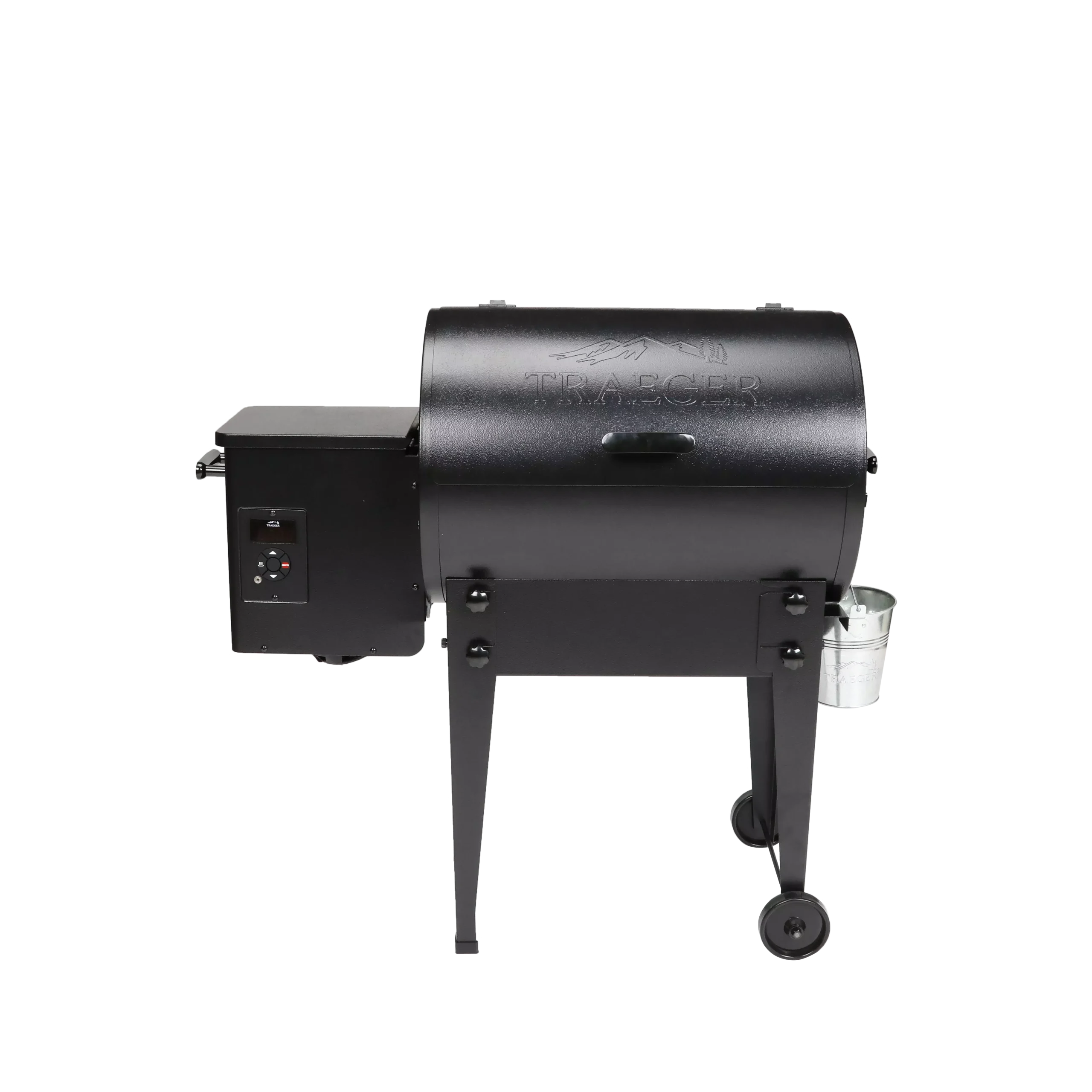
A good parking-lot cook does not need a giant backyard rig to feed a hungry crew before kickoff. The Traeger Tailgater is getting attention because it sits in that middle lane many fans want: small enough to travel, serious enough to smoke wings, burgers, brats, and ribs without turning the host into a full-time fire watcher. Official Traeger details list a 300-square-inch grate, an 8-pound hopper, a max temperature of 450°F, and a weight near 60 pounds, which explains why shoppers see it as a practical portable pellet grill rather than a toy cooker.
For American fans checking deals, stock alerts, and smart shopping and product news, the appeal is not only the smoke flavor. It is timing. Late summer and football season push grill demand into a strange zone where patio buyers, RV owners, college fans, and fantasy-league hosts all start chasing the same compact gear. Recent national sale coverage has also placed Traeger grills in the wider Prime Day and summer-grilling conversation, which can make local inventory feel thin fast.
Why Traeger Tailgater Demand Feels So Strong Before Kickoff
The run on compact grilling gear makes sense once you picture the setting. A full-size smoker is great on a deck, but it is dead weight in a stadium lot, apartment courtyard, campground, or rented lake house. Fans want food that tastes planned without hauling half the garage. That pressure turns a small pellet grill into a problem solver, especially when game day grilling has moved beyond hot dogs and a bag of chips.
There is also a shift in what fans expect from a tailgate. The old setup was a cooler, a charcoal kettle, and somebody’s folding table. That still works. Yet more people now want pulled pork sliders, smoked queso, bacon-wrapped jalapeños, and wings that taste like they had a plan behind them. A compact pellet setup speaks to that new standard without asking the host to tow a trailer.
Fans Want Smoke Flavor Without Babysitting Charcoal
Charcoal has romance. It also has ash, flare-ups, wind drama, and the old problem of judging heat by instinct while friends keep asking when the food is ready. Pellet grills reduce that stress because the auger feeds pellets into the firepot and the controller manages the heat. You still cook. You still pay attention. You are not stuck poking coals for two hours while everyone else walks toward the stadium.
That matters for tailgate cooking because the clock is not friendly. A noon kickoff can turn the morning into a blur of loading coolers, finding the parking pass, setting up chairs, and answering texts from the one friend who always parks in the wrong lot. A cooker that can settle into a steady range gives you room to run the table.
The hidden draw is not laziness. It is confidence. A host who can smoke sausages, warm pulled pork, or cook chicken thighs with less guesswork looks calm, and calm hosts feed people better. You can hear it in the lot. The person who is not fighting the grill has time to talk, pour drinks, and notice when the first batch is ready to rest.
The Size Hits a Sweet Spot for Real Portions
Three hundred square inches sounds modest until you map it to game food. That grate can handle a batch of wings, several burgers, a row of brats, or a tray of jalapeño poppers next to sausages. It is not built for feeding a whole booster club. It is built for a trunk, a small SUV, or a patio where every square foot already has a job.
The non-obvious part is that smaller space can improve the menu. Huge grills tempt people to cook too many things at once. Then the host ends up with cold buns, overdone burgers, dry chicken, and a cooler full of sides nobody touched. A compact cooker pushes you to pick a sharper plan: one smoked main, one fast-grill item, one make-ahead side.
That is how real parties work. Better food, less chaos.
The size also fits the way many Americans live now. A lot of fans are not cooking from a wide suburban deck. They are using condo balconies where rules allow electric pellet units, small yards behind townhomes, RV pads, campsites, or shared driveways. A giant grill can feel like furniture. This kind of cooker feels like gear.
What a Portable Pellet Grill Changes About Game Day Food
A portable pellet grill does not make you a pitmaster overnight. It changes the choices you can make before you leave home and after you arrive. That is the part many first-time buyers miss. The machine is not only about heat. It is about travel rhythm, power access, prep work, and how long food can safely sit before people eat.
It also changes the mood. Gas grills are quick and direct, which is handy. Charcoal gives old-school flavor but asks for more attention. Pellets sit between those worlds. You get smoke, steady heat, and a slower cooking style that suits the social pace of a tailgate. Nobody wants a silent host staring at flames for the whole first hour.
Pre-Cooking Becomes Smarter, Not Sloppier
The safest game plan is often a split plan. Smoke pork, brisket, or chicken at home the day before, chill it fast, and reheat at the lot. Then use the grill for finishing, crisping, or cooking quick items fresh. This protects your schedule and keeps the parking-lot setup from turning into a five-hour smoke session with a referee whistle in the distance.
Food safety still matters. The USDA says ground meats should reach 160°F, while poultry should reach 165°F, and a thermometer is the only honest way to know where you stand. Their safe minimum internal temperature chart is worth saving before the season starts.
That detail may sound plain, but it is where many tailgates go wrong. Smoke color is not proof. Grill marks are not proof. A burger can look ready and still miss the safe zone in the center. You do not need to scare guests with rules. You need a probe thermometer, clean tongs, and a system that keeps raw meat away from finished food.
There is another benefit to pre-cooking that nobody brags about: you waste less food. When the main protein is already cooked and chilled, you can reheat only what your group is ready to eat. Late friend? Overtime tailgate? Rain delay? You are not trapped with every pound of meat sitting out at once.
Pellet Flavor Works Best When You Stop Overloading It
Pellet smoke is gentle compared with a stick burner. Some buyers expect the first rack of ribs to taste like it came from a roadside smokehouse in central Texas, then feel let down when the flavor lands softer. That softer profile is the point for a lot of game day food.
Wings, brats, turkey burgers, queso, and smoked cream cheese can all pick up enough wood flavor without becoming heavy. Hickory can bully mild foods if you let it run too long. Apple, cherry, and competition blends tend to play better with mixed crowds. You are feeding people who may want one plate before kickoff, not judging a barbecue contest.
A portable pellet grill also rewards patience in a strange way. Short cooks need preheating discipline. Give the grill time to settle before loading food, and you get better browning, cleaner smoke, and fewer complaints from the friend who thinks every chicken wing should be done in twelve minutes.
The smartest cooks use smoke like seasoning. You would not cover every side dish in the same sauce. Do not force every food to carry the same wood profile. Smoke the wings, warm the queso, grill the brats, and let the slaw stay bright. Contrast makes the plate feel fresh.
The Buying Rush Is About Timing, Not Hype Alone
A grill can be popular for dull reasons: price, shelf space, and season. When a model sits near the giftable range for a known brand, demand can rise fast during holiday weekends, football season, and big retail sale windows. That does not mean every “selling out” claim is equal. It means buyers should treat stock as local, moving, and tied to ZIP code.
The pattern is familiar if you have ever tried to buy a patio heater after the first cold weekend or a generator before a storm. Demand feels sudden because casual buyers all wake up at the same time. Football does that to grills. One Saturday of watching another group serve smoked wings can turn a maybe-later shopper into a buy-it-tonight shopper.
Check the Small Details Before You Chase a Deal
A $50 discount can disappear if you need a cover, pellets, a power station, a folding table, and a probe thermometer before the first cook. Some listings bundle accessories. Others show the grill alone. A buyer in Ohio grabbing one for Bengals Sundays has different needs than a camper in Arizona cooking at a dry RV site.
Look at dimensions with the legs folded, not only the beauty shot. Traeger support lists folded dimensions around 37 inches long, 18 inches deep, and 21.5 inches high, while the extended height reaches 36 inches. That is manageable, but it still needs a clean cargo plan.
Here is the counterintuitive move: measure your storage spot before you compare prices. Many shoppers compare sale tags for twenty minutes and never check the trunk opening, garage shelf height, or apartment storage closet. The best deal is not a deal when the box blocks your hallway for two weeks.
Also check the return path. A grill bought online may arrive in a package that weighs more than the assembled cooker. Official support lists the packaged weight at 70.5 pounds, which is not impossible to handle but is not a small doorstep box either. If you live upstairs or in a building with tight halls, delivery details matter.
Local Availability Can Beat National Buzz
National articles can make a product look gone everywhere. Local stores tell the real story. One Home Depot or Ace location may have floor stock while another shows delayed shipping. Amazon can show fast delivery for one ZIP code and a longer window for another. Specialty barbecue shops may price higher but offer assembly advice that saves a new owner from a rough first cook.
Recent summer-sale coverage has included Traeger models among notable grill discounts, and that kind of attention can pull casual shoppers into the same lane as serious barbecue buyers. Still, do not panic-buy based on a headline alone. Check three sources, then decide.
The better mindset is simple: buy when the full setup makes sense. A portable cooker without pellets, a clean power plan, and safe transport gear is not ready for a road trip. It is a box with promise.
For a deeper buying checklist, keep a placeholder ready for your own portable grill comparison guide. You can also connect this topic to a game day outdoor cooking checklist so readers can move from interest to action without guessing what to pack.
How to Make the First Cook Feel Like a Win
The first cook should be boring in the best way. Do not christen a new grill with brisket at 5 a.m. before a rivalry game. Start with food that forgives small mistakes and teaches you how the controller behaves, how fast pellets burn, and where the hot spots live.
A test cook also protects your confidence. New owners sometimes think a grill is failing when it is only going through normal startup behavior, temperature swings, or smoke changes. Learn that at home, not while six people stare at raw wings in a stadium lot.
Build a Menu Around the Clock
For a home patio test, run chicken thighs, brats, or burgers before you take the unit anywhere. Chicken thighs are forgiving because they stay juicy, take smoke well, and teach you how the grill handles fat. Brats give you a fast read on browning. Burgers show whether you like pellet-grill heat for direct-style cooking.
For game day grilling, build backward from serving time. If kickoff is 1 p.m. and people want food by 11:30, do not plan a menu that needs four uncertain hours in a crowded lot. Bring smoked pulled pork that only needs reheating, then cook wings or brats fresh. Add chips, pickles, slaw, and buns that do not collapse under sauce.
The quiet trick is to make one item the star. A table full of average food feels busy. One smoky tray that smells right when people walk up feels memorable.
Think in waves, not one giant serving. Put out the first round when the early crew arrives, hold something warm for late friends, and keep a small final batch for the people who drift back after the first stadium walk. That pacing keeps food safer and makes the host look prepared.
Pack Like the Grill Is Only Half the System
The grill matters, but the kit around it decides whether the day feels smooth. Bring a metal drip pan, foil, gloves, a small trash bag roll, paper towels, a thermometer, and a safe place for greasy tools. Add an outdoor-rated extension cord if the site allows power, or confirm your portable power plan before you leave.
Pellet storage deserves more respect than it gets. Keep pellets dry in a sealed container, especially if you live in a humid state or tailgate near rain. Damp pellets can swell and feed poorly. That is not a brand problem. That is fuel care.
A portable pellet grill is at its best when you treat it like a cooking station rather than a magic box. Give it stable ground, enough airflow, a clean shutdown, and time to cool before loading. Your future self, standing in a dark parking lot after a close game, will be grateful.
One last thing: bring a cheap headlamp or clip light. It sounds silly until a night game ends and you are cleaning grease trays with one phone flashlight and a dying battery. Good tailgate cooking is often won by small, unglamorous items nobody sees in the product photo.
Conclusion
The rush around compact grills says something bigger about how Americans host now. People want better food in smaller spaces, and they want gear that can move from driveway to stadium lot without turning the day into work. That is why a small pellet smoker can feel more useful than a larger backyard cooker during football season.
The Traeger Tailgater earns its attention when buyers understand what it is: a travel-ready smoker-grill for focused menus, not a replacement for a giant pit. It asks for planning, dry pellets, safe power, and realistic portions. In return, it gives you wood-fired flavor in places where a full smoker would be a headache.
Do not chase the noise. Check local stock, measure your space, price the full kit, and plan a first cook that teaches you the grill before guests depend on it. Then show up with food that smells like you thought ahead. That is how you win the parking lot before the first snap.
Frequently Asked Questions
Is this portable grill worth it for football tailgates?
Yes, it makes sense for fans who want smoke flavor without hauling a full backyard smoker. It works best for small to mid-size groups, simple menus, and hosts who have access to safe power. It is less ideal for huge crowds or high-heat steak searing.
How much food can the grate hold for a game day cookout?
The 300-square-inch cooking area can handle a focused spread, such as burgers, brats, wings, or a tray of appetizers. Think in batches rather than banquet volume. For a bigger group, cook one main item first and use the grill to finish or reheat food.
Does a pellet grill need electricity at a tailgate?
Yes, the controller and auger need power. Some stadium lots have access, but many do not. Plan for an approved outlet, an outdoor-rated extension cord, or a suitable portable power source. Always check venue rules before bringing powered cooking gear.
What pellets work best for tailgate cooking?
Competition blends are the safest pick for mixed menus because they work with chicken, pork, burgers, and appetizers. Apple and cherry suit lighter foods. Hickory gives stronger smoke, so use it carefully when cooking for a crowd with different tastes.
Can it sear steaks like a gas grill?
It can cook steaks, but it is not the same as a ripping-hot gas or charcoal setup. The max temperature is listed at 450°F, which is enough for many foods but not ideal for steakhouse-style crust. Use it for smoke, consistency, and travel ease.
What should I cook first on a new pellet grill?
Start with chicken thighs, brats, or burgers because they teach heat behavior without risking expensive meat. Avoid brisket as a first cook. A short test run also helps you learn startup, shutdown, pellet use, grease control, and timing before a crowd arrives.
Is it safe to cook raw burgers at a stadium lot?
Yes, as long as you keep meat cold before cooking, avoid cross-contact, and use a thermometer. Ground beef should reach 160°F. Pack clean utensils and separate raw meat from buns, toppings, and ready-to-eat sides.
How should I store pellets before game day?
Keep pellets sealed and dry. A lidded plastic bin or pellet bucket protects them from humidity and rain. Do not leave an open bag in a damp garage or truck bed. Good fuel flow starts with dry pellets, especially when cooking away from home.