
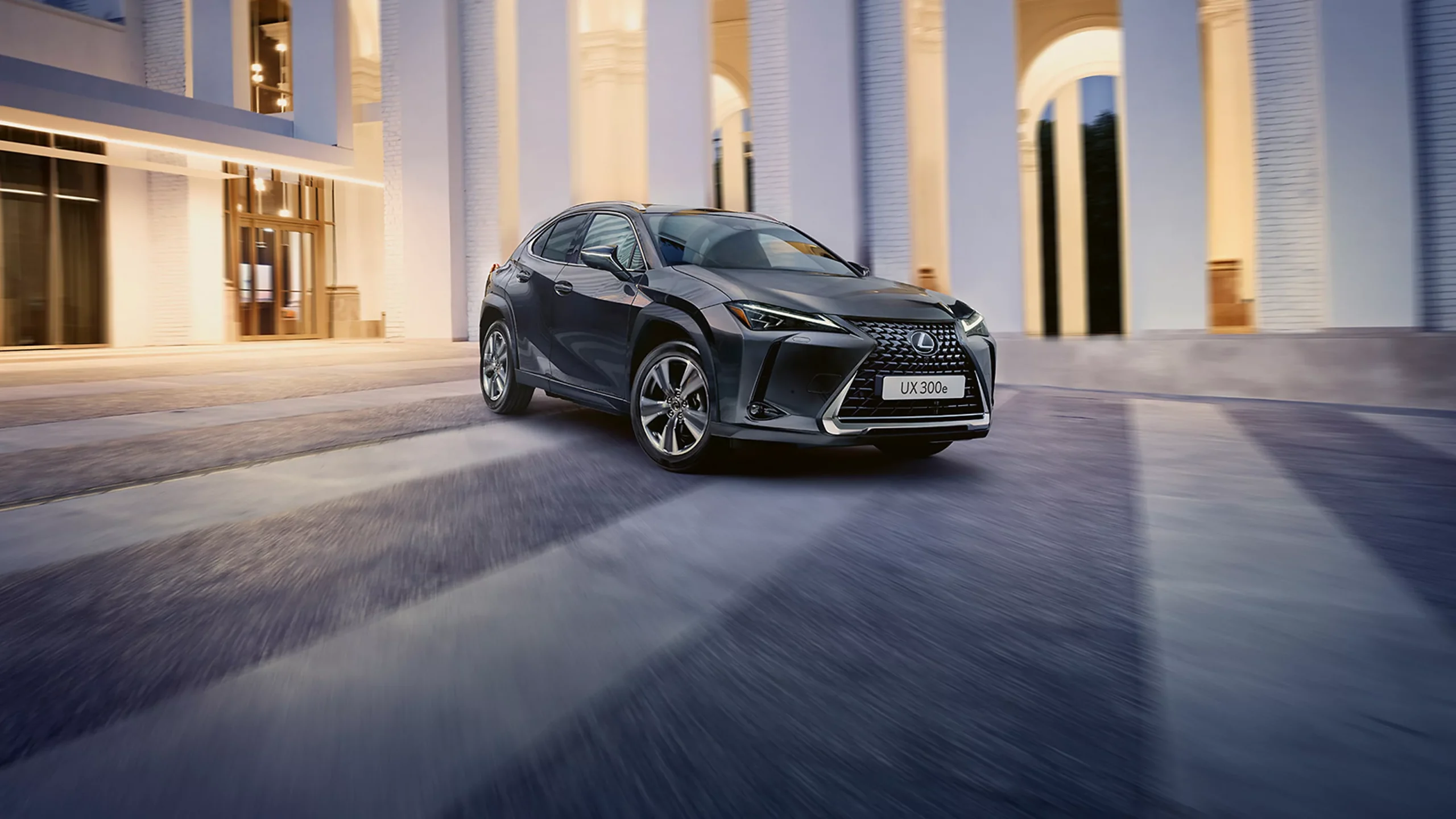
A price drop only matters when it changes the kind of buyer who pays attention. The Lexus UX 300e makes that shift interesting because it sits in a strange space: premium badge, city-friendly size, electric drive, and now a value story that feels less like a luxury splurge. For American shoppers, the news needs a careful read. Lexus USA currently points small-crossover buyers toward the UX 300h hybrid, while this battery-electric version has been sold in overseas markets, not as a normal U.S. showroom model. Still, shoppers who track consumer product pricing signals know that a move like this can reshape used prices, import chatter, and cross-shopping behavior. The real question is not only whether this electric compact SUV is cheaper. It is whether the new price makes its limits easier to accept. Lexus Europe has described the model as the brand’s first all-electric Lexus and says the updated version gained more range through a larger battery system, which is the detail that keeps the discount from feeling empty.
Why the Price Cut Feels Bigger Than a Normal EV Discount
Luxury EV discounts often sound louder than they are. A dealer lowers a payment, adds a lease credit, or trims a slow-moving trim, and the headline does more work than the deal. This case feels different because the vehicle was never trying to be a giant family hauler or a tech-heavy flagship. It was a small Lexus with electric power, and that makes every dollar matter more.
A Smaller Luxury EV Finally Meets the Value Conversation
The compact luxury EV market has a strange problem. Buyers want the calm cabin, the badge, and the lower running costs, but they also compare range and charging speed against cheaper mainstream models. That puts a small premium EV in a tight corner. It cannot win only on numbers, and it cannot coast on badge appeal forever.
That is why a lower Lexus EV price changes the conversation. A buyer who ignored the model at a high sticker may look again once it falls closer to loaded mainstream EVs. The cabin quietness, Lexus dealer reputation, and city-friendly size start to feel like real value instead of expensive taste.
There is a catch, though. A discount does not erase the age of the platform. EV shoppers are fast learners now. Many know the difference between a fresh model with fast charging and an older design with comfort-first priorities. The price has to pay for that gap.
Why American Shoppers Should Read the Fine Print
For U.S. readers, this story needs one plain warning: do not assume you can walk into a local Lexus dealer and buy this exact EV new. Lexus USA’s 2026 UX information centers on the UX 300h hybrid, with Lexus saying that model carries a 196-horsepower hybrid system for front- and all-wheel-drive versions.
That does not make the price news useless. It makes it more specific. American buyers may see the effect through used electric SUV deals, auction listings, overseas market comparisons, or the way Lexus positions its future entry-level EVs. A global discount can set a mental price ceiling even when the car itself is not sitting at a U.S. dealer.
Think of a shopper in Phoenix comparing a used Lexus hybrid, a used Tesla Model Y, and a smaller electric crossover from another brand. A lower price on an overseas Lexus EV may not be a direct purchase path, but it can still affect what “fair value” feels like. That pressure matters.
What the Lexus UX 300e Price Shift Means for U.S. EV Shoppers
A price cut on a non-U.S.-mainstream EV can still teach American shoppers something useful. It shows where the market is losing patience. Buyers are no longer rewarding every electric badge with a premium. They are asking for range, charging access, service support, and resale confidence before they pay luxury money.
The U.S. Gets the UX Hybrid, Not This Exact EV
The UX name is familiar in America, but the powertrain story is different. Lexus sells the UX 300h hybrid in the U.S. as its small luxury crossover, while the battery-electric model belongs to other market histories. That difference matters because a hybrid and a full EV solve different problems.
The hybrid is easy for U.S. buyers who want high fuel economy without changing habits. No charger plan. No plug type anxiety. No road-trip math. For many suburban drivers in Ohio, Georgia, or Texas, that simplicity beats the appeal of an electric compact SUV with limited charging speed.
The electric version, by contrast, is more appealing to a driver who already understands home charging and takes shorter daily trips. It rewards routine. It punishes guesswork. That is the quiet truth behind many small EV discounts: the right buyer loves the car, but the wrong buyer discovers the limits fast.
When Overseas EV News Still Affects Local Buying Behavior
American shoppers are not sealed off from global EV pricing anymore. YouTube reviews, auction sites, Reddit threads, and international dealer pages all shape expectations. A lower overseas Lexus EV price can make a U.S. buyer question why another compact luxury EV costs more.
This is where compare hybrid and electric SUVs content becomes useful. The smartest buyer does not ask, “Which one is newer?” They ask, “Which one fits my week?” A five-day office commute, a garage outlet, and weekend errands create one answer. Apartment parking, winter road trips, and no home charger create another.
The non-obvious insight is that a cheaper EV can make a hybrid look better, not worse. Once buyers study charging limits and market support, some will decide the UX hybrid is the safer local choice. A discount can attract attention, then send people toward the model that fits their actual life.
Range, Charging, and Daily Use Matter More Than the Sticker
A lower price gets the click. Daily use decides whether the deal was wise. In the EV market, the sticker is only the front door. Once you step inside, range, plug type, battery warranty, service access, and winter behavior take over.
The Range Number Is Only Half the Story
Lexus Europe said the updated electric UX gained a larger battery system and up to 450 km of WLTP range, while the newsroom notes the battery capacity increased from 54.3 kWh to 72.8 kWh and output stayed at 150 kW with 300 Nm of torque. That is a meaningful update on paper, especially for buyers who mostly drive in cities.
But range numbers need context. EV Database lists a 64.0 kWh usable battery estimate and a real-range estimate of 340 km, with higher city range in mild weather and lower highway range in cold weather. That spread is the part shoppers should feel in their bones, not only read in a spec box.
For a Los Angeles commuter driving 32 miles a day, the range may feel generous. For a Chicago driver doing winter highway trips, it may feel tighter than expected. Same car. Different life.
CHAdeMO Changes the Bargain Math
Charging is the part of the deal that can age a car faster than the leather or paint. EV Database lists the model with CHAdeMO fast charging and a 50 kW DC maximum, with a 10-to-80 percent fast-charge time shown around 81 minutes under its data model.
That matters because the U.S. public charging world has moved heavily toward CCS and now NACS plans. A compact luxury EV with an older fast-charge format can still work well as a home-charged daily car, but it loses strength as a road-trip tool. The lower price has to be judged against that.
This is where used electric SUV deals get tricky. A cheap EV with the wrong charging fit is not cheap for the driver who needs public fast charging twice a week. Yet the same vehicle can be a smart buy for someone with a garage, a short commute, and a second gas or hybrid car in the family.
Who Should Care About the Surprise Discount
The discount is not for everyone, and that is fine. The best vehicle deals are rarely universal. They are sharp fits for a narrow group of buyers who understand the trade.
City Drivers and Brand Loyalists See the Cleanest Case
The strongest case belongs to city and close-suburb drivers. A compact body is easier to park, electric torque feels smooth at low speeds, and a quiet Lexus cabin can make traffic less draining. That kind of buyer may not care about record-setting fast charging.
A Boston driver with driveway charging and a 22-mile commute has a different buying standard than a Denver driver who heads into the mountains every other weekend. For the first driver, this compact luxury EV can feel calm and polished. For the second, the charging limits may become a weekly annoyance.
Brand trust also matters. Some shoppers want the Lexus feel more than they want the newest screen trick. They like the way the doors close, the way the seats hold up, and the calmer ownership tone. A lower Lexus EV price brings those people into the conversation sooner.
Families, Road Trippers, and Tech Buyers Need a Tougher Test
Families should be more careful. The UX shape is compact, and compact often means cargo compromises. A stroller, sports bags, a warehouse-club run, and two kids can expose the limits in one Saturday.
Road-trippers should be even tougher. The model’s charging profile makes more sense when fast charging is a backup plan, not the center of ownership. Anyone shopping from rural America or big-distance states like Montana, Arizona, or Tennessee should map real charging stops before falling for the discount.
Tech-focused buyers may also want newer choices. Screens, route planning, plug standards, charging speed, and driver-assist features move fast in this market. The surprise is that the older-feeling choice may still win for someone who values calm over novelty. That is the buyer this deal is speaking to.
Conclusion
A surprise price reduction is useful only when it tells shoppers the truth. In this case, the truth is layered. The electric UX has premium comfort, a more serious battery than its early version, and the kind of city-friendly size many buyers say they want. It also carries limits that no discount can hide.
For U.S. shoppers, the smartest move is to treat the Lexus UX 300e as a market signal, not a simple local dealer special. It shows how fast EV value is being reset, especially when charging speed, plug format, and regional availability do not match buyer expectations. The lower price may be attractive, but the right ownership setup matters more than the headline.
Use the news as a reason to sharpen your own buying test. Check your charging access, compare the local UX hybrid, study used electric SUV checklist basics, and read the official Lexus Europe newsroom background before you chase the deal. A bargain should make your week easier, not add a new problem to your driveway.
Frequently Asked Questions
Is the electric Lexus UX available new in the United States?
New U.S. Lexus UX shoppers are generally looking at the UX 300h hybrid, not the full battery-electric version. The electric model has been tied to overseas markets, so American buyers should confirm availability through official Lexus USA channels before assuming local dealer access.
Why would a luxury electric SUV get a price reduction?
A price reduction can happen when demand slows, newer rivals offer stronger charging or range, or dealers need to clear older stock. In the EV market, buyers compare specs fast, so an older premium model may need a lower price to stay attractive.
Is a compact electric Lexus good for daily commuting?
Yes, it can make sense for short commutes, city driving, and owners with home charging. The smooth electric drive and smaller body suit daily errands well. The fit becomes weaker when frequent long trips or public fast charging are part of the routine.
How should U.S. buyers compare the UX electric model with the UX hybrid?
Start with charging access. A hybrid fits drivers who want high efficiency without plugging in. The electric version fits buyers with predictable mileage and easy charging. The right choice depends less on badge appeal and more on weekly driving habits.
Does a lower price make an older EV worth buying?
Sometimes. A lower price can offset slower charging, older tech, or smaller cargo space. It does not fix those issues. The deal works best when the car’s limits do not affect your normal driving pattern.
What charging issue should shoppers watch first?
Plug type and charging speed should come before color, trim, or monthly payment. An EV that charges slowly or uses a less common fast-charge connector can still work at home, but it may frustrate drivers who rely on public chargers.
Is this a good family SUV choice?
It can work for small families with light cargo needs, but it is not the roomiest SUV. Parents should test real items before buying: stroller, car seat, school bags, sports gear, and grocery space. The badge cannot create extra room.
What is the biggest lesson from the price cut?
EV shoppers are becoming more practical. Range, charging, warranty support, and local availability now shape value more than brand name alone. A lower price is worth attention, but only if the vehicle fits how and where you drive.