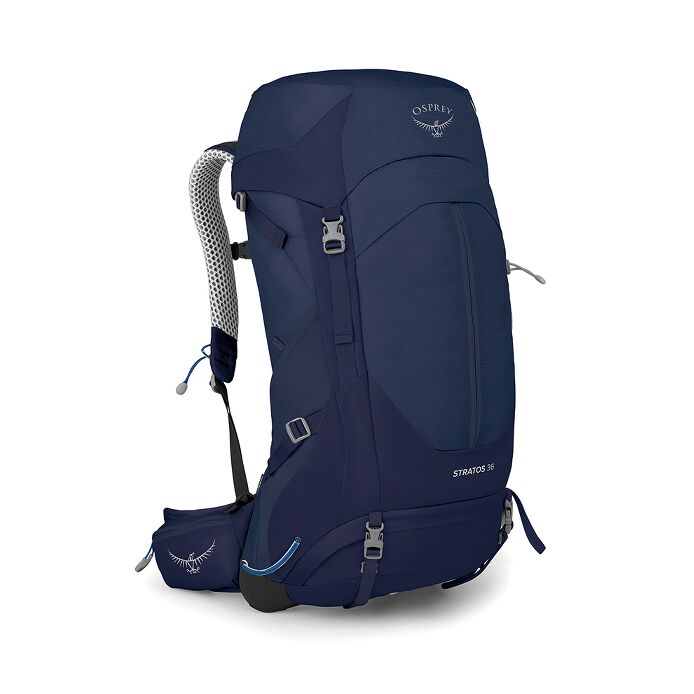
Some packs get popular because they look good on a store wall. Others earn attention after long, sweaty miles when a hiker realizes their shoulders do not hate them by lunchtime. The Osprey Stratos 36 sits in that second group, which explains why restock chatter has picked up among U.S. hikers planning summer weekends, national park trips, and quick overnights. Current official specs list it as a 36-liter men’s hiking pack with AirSpeed suspension, an included raincover, a 10-to-30-pound load range, and a listed weight of 3.41 pounds.
For shoppers watching outdoor gear drops through trusted update sources like consumer product news alerts, the appeal is plain. This is not a tiny summit bag, and it is not a heavy backpacking hauler. It lands in the middle, where many American hikers spend most of their time: Shenandoah in spring, Colorado shoulder-season trails, Arizona canyon days, and one-night loops where packing discipline matters. The restock matters because a 36L daypack can cover more real trips than most people expect.
Why Osprey Stratos 36 Demand Feels Different This Season
The current rush around this pack makes sense because hikers are getting pickier. A few years ago, many buyers chose between a cheap day bag and a large backpacking pack. Now they want one hiking backpack that can handle a long day, carry wet layers, keep water handy, and still work for a short overnight. That middle ground is where this model has built its name.
The 36-liter size fits how people actually hike
A 20-liter pack feels fine until the weather turns, your lunch gets crushed, and your rain shell ends up strapped outside like an afterthought. A 50-liter pack solves that problem but creates another one. It invites extra gear, extra weight, and the kind of packing that makes a simple Saturday feel like a move-out day.
A 36L daypack gives you space without giving you permission to bring the garage. That is the hidden strength. You can carry a first-aid kit, filter, rain shell, fleece, snacks, headlamp, map, gloves, and a small camera without building a tower inside the main compartment.
A real example helps. For a fall hike in the White Mountains, you may start warm at the trailhead, hit wind near the ridge, then drop into damp shade before sunset. A smaller pack can force bad choices. This size lets you carry the boring gear that saves the day.
Restocks matter most before peak trail windows
Gear demand does not rise evenly through the year. It spikes when people start booking campsites, planning national park routes, and replacing old bags that failed last season. That is why restock timing can feel more intense than the product itself.
There is also a non-obvious reason hikers jump fast. Many shoppers are not buying their first pack. They are replacing the “almost right” one. The hipbelt pockets were too small. The back panel ran hot. The rain cover was missing. The side access was poor. After one annoying season, those flaws become deal breakers.
REI’s current listing describes the pack as built for extended day hikes and short overnights, with front, side, and hipbelt pockets for close gear access. Its listing also shows a $240 price point and one color marked sold out, which lines up with the idea that color and size availability can move unevenly.
What Makes This Hiking Backpack Work on Longer Trails
A pack does not win on volume alone. Thirty-six liters can feel smart or awful depending on the frame, access, and fit. The reason hikers keep circling back to this hiking backpack is that it treats carrying comfort as part of the design, not an add-on.
Airflow changes the mood of a hike
Back sweat sounds like a small complaint until mile eight. Then it becomes the thing you notice every time you stop. The Stratos line uses Osprey’s AirSpeed suspension, where a LightWire frame tensions a mesh backpanel to create airflow and carry support.
That matters most in humid U.S. hiking areas. Think Great Smoky Mountains in June, Arkansas in late spring, or a shaded Pennsylvania climb where the air barely moves. A standard flat backpanel can turn your shirt into a wet towel. A suspended mesh panel will not make heat disappear, but it can reduce that trapped feeling.
The counterintuitive part is that ventilation can cost a little packing efficiency. The curved backpanel means the main compartment may not swallow boxy items as neatly as a flat-backed pack. For many hikers, that trade is worth it. Comfort on your body beats perfect geometry inside the bag.
Access matters when weather changes fast
Top-loading packs are simple, but they can become annoying when the thing you need has sunk to the bottom. The official Stratos 36 page calls out a spacious main compartment, a secondary bottom-zip compartment, hipbelt pockets, a front stash pocket, and trekking pole attachment points.
That layout helps when a normal day turns messy. You can keep snacks in the hipbelt, shove a damp shell into the front pocket, and reach lower layers without unloading everything onto wet dirt. It sounds minor from a desk. On a windy overlook, it feels smart.
SectionHiker’s review also notes the pack has top access, a long side zipper, bottom compartments, hydration support, and an included rain cover. The reviewer frames it as useful for long day hikes, multi-sport outings, and light backpacking trips.
Who Should Buy the Stratos 36 Hiking Pack Restock
The smartest buyer is not the person who wants the biggest spec sheet. It is the person who knows their trips. This pack makes sense for hikers who often carry more than a water bottle and hoodie, but do not want a full backpacking setup for every trail day.
Day hikers who pack for safety, not fear
There is a difference between overpacking and being ready. The National Park Service tells hikers to carry the Ten Essentials, including navigation, sun protection, extra clothing, light, first aid, fire, repair tools, food, water, and emergency shelter. It also advises telling someone where you are going and when to expect you back.
That list can sound heavy until you spread it out. A headlamp is small. A rain shell packs down. A water filter can weigh less than a snack bag. The issue is not always weight. It is organization. A pack with enough pockets makes safety gear easier to carry and easier to find.
Here is the part people miss: a bigger daypack can make you pack less recklessly. When space is too tight, hikers strap items outside, skip layers, or bury first aid below lunch. With better room, the gear sits where it belongs.
For related planning, internal guides like how to prepare for longer hiking days and best outdoor gear for weekend trips can help shoppers match the pack to the trip instead of buying from hype alone.
Overnight beginners who keep loads light
This is not the pack for carrying a bulky tent, cast-iron pan, and five days of food. It is also not trying to be. The listed load range is 10 to 30 pounds, which gives a clear hint about its best use.
For a beginner doing a warm-weather overnight, that can be enough. A compact quilt, small shelter, water filter, food bag, stove kit, extra socks, and rain layer can fit if the gear is chosen with care. The pack rewards people who think before they stuff.
The trap is buying it because “overnight” appears in product talk, then expecting it to act like a 60-liter backpack. That is how good gear gets blamed for bad packing. Keep the load lean, and the design makes sense.
How to Shop the Restock Without Making a Rushed Choice
Restocks create pressure. A color disappears, a cart button changes, and suddenly the pack feels more urgent than the hike. That is when buyers make sloppy choices. The better move is to know your fit, your load, and your main use before the pack appears again.
Check fit before you chase color
Color is visible. Fit is felt. That is why color often gets too much attention during restocks. A pack can look perfect in Pine Leaf Green and still sit wrong if the torso adjustment is off or the hipbelt does not carry the weight well.
Osprey lists the pack as a men’s fit model, while the related Sirrus line serves the women’s fit side of the family. The broader Stratos/Sirrus collection lists the Stratos 36 at $240, along with nearby 34L and 44L options.
That comparison matters. Some hikers should move down to 34 liters because they never carry overnight gear. Others should move up to 44 liters because they often bring bulkier layers or winter gear. The 36-liter version is the sweet spot only when your use matches the space.
A smart test is simple. Lay out your normal long-day load at home. Add the safety items you tend to forget. Add a rain shell even if the forecast looks friendly. If the pile looks like it needs structure but not expedition volume, this pack belongs on your shortlist.
Watch retailer pages, but read the details
A restock alert is useful only if you still check the page. Look for the exact model year, return policy, color status, price, and whether accessories are included. Small differences matter. A raincover included with the pack is different from buying one later.
The official Osprey page lists a waterproof raincover stored in a bottom panel compartment, recycled nylon fabrics, and PFAS-free DWR treatment across listed fabric sections. Those details are worth checking because they affect both trail use and long-term value.
The non-obvious shopping tip is to avoid treating every “low stock” message as a command. Some packs return. Some colors cycle. Some retailers receive batches at different times. Panic buying often leads to returns, and returns waste the energy you meant to save for the trail.
Conclusion
The restock buzz around this pack is not hard to understand. It sits in a rare lane: roomy enough for serious day hikes, restrained enough for light overnight use, and structured enough to carry safety gear without punishing your shoulders. That balance is why hikers keep watching for it.
Still, the right choice depends on honest use. If your trips are short neighborhood trails, this may be more pack than you need. If you carry heavy winter gear or multi-day food, it may not be enough. But for many U.S. hikers planning national parks, weekend ridge walks, and quick camp nights, the Osprey Stratos 36 makes practical sense.
Buy it for fit, airflow, access, and load discipline. Not for hype. When the next restock appears, the best move is not to rush blindly. Know your trail style, check the details, and choose the pack that makes you more prepared every time you leave the car.
Frequently Asked Questions
Is a 36L hiking pack too big for day hikes?
No, not if you hike long routes, carry safety gear, or deal with changing weather. It may feel large for short local walks, but it fits full-day trail loads well. The key is packing with purpose instead of filling every pocket.
Can this pack work for a one-night backpacking trip?
Yes, for light overnight trips with compact gear. It is not ideal for bulky sleeping bags, large tents, or heavy food carries. It works best when your shelter, sleep system, clothing, and cooking kit are already trimmed down.
What type of hiker benefits most from this pack size?
Long-day hikers, national park visitors, shoulder-season hikers, and beginners testing short overnights benefit most. It gives enough room for layers, water, food, and safety gear without feeling like a full expedition pack.
Does a ventilated backpanel make a major difference?
Yes, especially in warm or humid areas. A suspended mesh backpanel helps reduce trapped heat between your shirt and the pack. It will not stop sweat, but it can make long climbs feel less sticky.
Should I choose 34L, 36L, or 44L?
Choose 34L for normal day hikes, 36L for long days and light overnights, and 44L for bulkier gear. The right choice depends less on body size and more on how much gear your usual trips require.
Is the included raincover worth caring about?
Yes. A built-in raincover saves money and removes one more item from your shopping list. It also means you are less likely to forget protection when the forecast looks calm but mountain weather changes.
What should I check before buying during a restock?
Check fit range, model year, color, return policy, price, and whether the raincover is included. Also compare nearby sizes. A fast restock can pressure you, but a poor fit will bother you on every hike.
Is this pack good for beginner hikers?
Yes, if the beginner plans longer trails or wants to carry proper safety gear. It may be too much for casual short walks. For someone building better trail habits, the space and organization can help.