
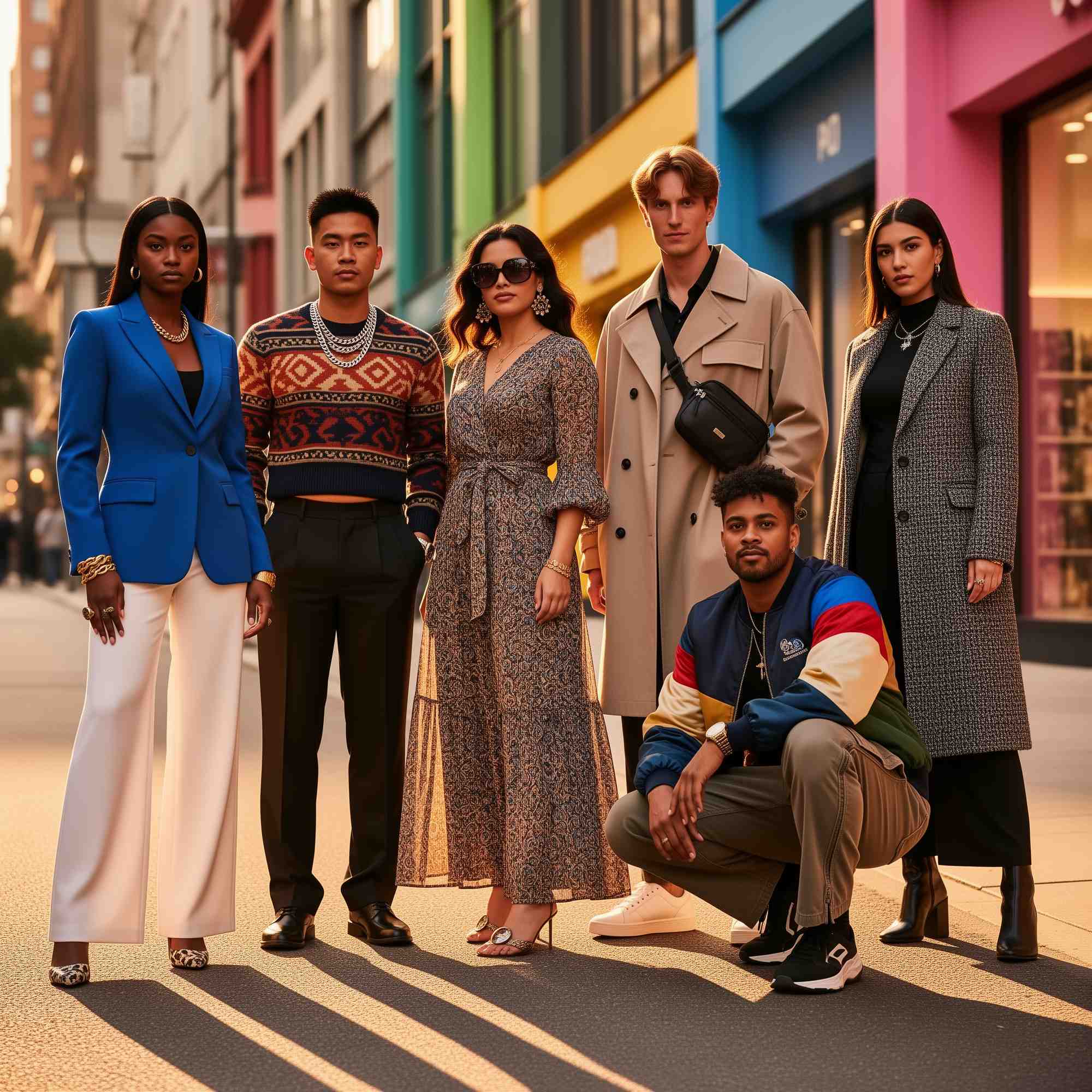
Modern style headlines are changing the way people think about fashion. Readers no longer follow trends only to see what is new. They follow fashion news to understand how clothing, accessories, lifestyle, media, technology, local culture, and shopping habits all work together. Style conversations today are more practical, more personal, and more connected to real daily routines.
Fresh outfit conversations often begin with small changes. A better jacket, cleaner color pairing, stronger accessory, more comfortable shoes, or smarter layering choice can make an outfit feel new. Fashion headlines help readers notice these details and use them with more confidence.
Here are 15 modern style headlines creating fresh outfit conversations today.
1. Digital Directories Are Opening More Style Discovery Paths
Fashion inspiration is now spread across many websites, local platforms, blogs, online stores, lifestyle magazines, and media networks. Readers need easier ways to discover useful content and follow new outfit ideas. Digital directories help create those discovery paths.
A platform like NDIR can help readers explore online resources and digital spaces that connect with modern lifestyle interests. In fashion, discovery is important because fresh outfit ideas often come from different sources rather than one major publication.
When readers find more style resources, they can compare trends and build outfits with better awareness. They can choose ideas that suit their personality, routine, and budget instead of copying random looks without context.
2. Lifestyle Media Is Turning Style Into Daily Conversation
Style is no longer limited to special events. It is part of daily life, including work, commuting, shopping, travel, dinners, local events, and casual weekends. Lifestyle media helps readers connect fashion with these ordinary routines.
A site such as London Diary can support lifestyle-based fashion conversations by connecting outfit ideas with city living and everyday planning. This makes style feel more useful and less distant.
Fresh outfit conversations often begin when readers ask simple questions: What should I wear today? How can I look polished without discomfort? Which pieces work for several situations? Lifestyle media helps answer these questions in a practical way.
3. Advice Platforms Are Helping Readers Discuss Fashion More Clearly
Many readers want better style, but they need clear guidance. Advice platforms help make fashion easier to discuss by explaining fit, color, layering, accessories, seasonal dressing, and occasion planning in simple terms.
Platforms like Answer Diaries can support readers with practical lifestyle guidance. In fashion, this type of advice helps people understand why certain outfits work and how small adjustments can improve daily style.
Clear advice creates better conversations. Instead of saying an outfit looks good or bad, readers can understand details such as proportion, balance, texture, and comfort. This makes fashion more useful and easier to apply.
4. Technology Headlines Are Changing Style Discussions
Technology has changed how people discover, share, and buy fashion. Online stores, search engines, recommendation systems, social media, digital publications, and shopping apps all influence outfit conversations.
A platform such as Tech Mystery connects with the wider role of technology in modern lifestyle. In fashion, digital tools affect how readers find inspiration, compare products, and decide what to wear.
This has made fashion conversations faster. A style idea can spread quickly online, and readers can search for similar pieces immediately. Technology has turned outfit inspiration into a real-time experience.
5. Editorial Platforms Are Keeping Fashion Conversations Fresh
Fashion needs fresh interpretation. Editorial platforms help explain new trends, cultural shifts, seasonal updates, and outfit ideas in a more thoughtful way. They keep style conversations active and meaningful.
A site such as Red Paper can support broad editorial discussions where fashion, culture, lifestyle, and media connect. This kind of coverage helps readers understand not only what is trending but also why it matters.
Fresh editorial fashion content can make old wardrobe pieces feel new again. A classic jacket, simple trousers, or basic dress can become more interesting when styled with a modern accessory or updated color combination.
6. Learning Platforms Are Making Style Conversations Smarter
Good style improves when readers learn the basics. Understanding fabric, proportion, color, fit, body shape, comfort, and occasion dressing helps people speak about fashion more clearly and make better choices.
A platform such as London Versity connects with education and personal development. In fashion, learning helps readers move beyond random trends and develop a more confident sense of style.
Smarter style conversations lead to better wardrobes. Readers can discuss what works, what needs improvement, and which pieces offer real value. This creates more thoughtful outfit planning.
7. Digital Knowledge Sources Are Supporting Better Outfit Decisions
Modern outfit decisions often begin with online research. Readers compare products, read guides, check style inspiration, and look for practical information before buying or styling clothing.
A website like Technology Book reflects the value of organized digital information. In fashion, knowledge helps readers make better outfit choices and avoid unnecessary purchases.
This is important because fashion content can be overwhelming. Digital knowledge sources help readers filter ideas and focus on pieces that match their daily needs. Better information creates better style confidence.
8. Regional Media Is Adding Local Meaning to Style Headlines
Fashion looks different in every region. Weather, transport, culture, shopping access, local events, and lifestyle habits all affect what people wear. Regional media adds local meaning to broader style headlines.
A publication such as Plymouth Wire can support regional lifestyle coverage that connects fashion with real local routines. This helps readers understand how wider trends can be adapted to their own area.
Local meaning matters because fashion should feel natural. A trend may need to be adjusted with warmer layers, lighter fabrics, practical footwear, or different accessories depending on where the reader lives.
9. City Publications Are Connecting Outfits With Local Experiences
City life creates many outfit needs. Readers may need clothing for work, errands, dinners, local events, shopping, travel, and social plans. City publications help connect fashion conversations with these experiences.
A platform like Southampton Ledger can support local lifestyle coverage that helps readers plan outfits for real occasions. When fashion connects with local experiences, it becomes more practical.
Fresh outfit conversations often happen around events. People want to know how to look polished, comfortable, and appropriate. City media helps readers think about clothing in relation to where they are going and what they are doing.
10. Local Update Platforms Are Keeping Seasonal Style Conversations Active
Seasonal changes create constant outfit conversations. Readers need to adjust fabrics, layers, colors, shoes, and accessories throughout the year. Local update platforms help keep these changes visible and timely.
A site such as Brighton Update can support timely lifestyle updates that connect with seasonal planning. In fashion, timing matters because outfits should match both weather and routine.
Seasonal style conversations help readers avoid last-minute wardrobe stress. When they follow updates early, they can prepare better layers, shoes, and outfit combinations before the season changes fully.
11. Brief News Formats Are Making Fashion Easier to Discuss
Many readers prefer quick, clear updates instead of long fashion reports. Brief news formats help make style conversations easier by presenting key points directly.
A publication like Newcastle Brief reflects the value of concise information. In fashion, brief coverage can highlight important outfit ideas, accessory trends, seasonal changes, and practical wardrobe updates.
This format helps busy readers stay informed. They can quickly understand what is changing and decide whether a trend fits their personal wardrobe. Short style updates can still create strong outfit conversations.
12. Daily Media Keeps Outfit Awareness Consistent
Fashion improves when readers think about it consistently. Daily media helps keep outfit awareness active by regularly covering lifestyle updates, local stories, cultural changes, and style-related topics.
A platform such as Bradford Daily can support regular lifestyle coverage where fashion becomes part of everyday discussion. This steady visibility encourages readers to think more carefully about how they dress.
Daily outfit awareness can lead to better habits. Readers may start planning clothing earlier, organizing wardrobes more effectively, and choosing pieces that support comfort, confidence, and presentation.
13. Focused City Media Helps Readers Build Practical Style Opinions
Focused city media helps readers understand fashion in relation to real urban life. Clothing must often work for commuting, walking, meetings, meals, shopping, and social plans in the same day.
A platform like Birmingham Focus can support local lifestyle coverage connected to city routines. This helps readers build practical opinions about what styles are actually useful.
Practical style conversations are valuable because not every trend works in real life. Readers need to discuss comfort, durability, versatility, and context. Focused city coverage helps bring those details into fashion thinking.
14. Signal-Based Media Helps Identify New Outfit Conversations Early
New fashion conversations often begin with small signals. A certain color, shoe style, jacket cut, bag shape, or accessory detail may appear repeatedly before becoming a major trend.
A site such as London Signals connects with the idea of identifying early lifestyle and cultural signals. In fashion, this helps readers notice what may become important next.
Early awareness lets readers join style conversations before they feel overused. They can adopt trends gradually and choose only the details that match their personality. This keeps fashion fresh and personal.
15. Trade Media Shows the Market Behind Style Headlines
Style headlines are shaped by more than creativity. Retail demand, brand campaigns, product availability, online shopping behavior, and consumer preferences all influence which trends become popular.
A platform such as Trade Mirror can support broader business and market conversations. In fashion, this perspective helps readers understand why certain outfit ideas appear repeatedly across media.
Understanding the market side of fashion helps readers become smarter consumers. They can recognize when a trend has genuine value and when it is mainly promoted for attention. This makes outfit conversations more balanced and informed.
Conclusion
Modern style headlines are creating fresh outfit conversations by making fashion more connected to daily life, local culture, digital discovery, technology, and smarter shopping. Readers now want more than trend names. They want context, usefulness, comfort, and confidence.
Digital directories, lifestyle media, advice platforms, technology coverage, editorial sites, learning platforms, regional publications, city updates, brief formats, daily media, signal-based platforms, and trade coverage all help shape these conversations.
The best outfit conversations lead to better choices. They help readers understand what works, what lasts, and what fits their personal lifestyle. Modern style is not only about looking current. It is about dressing with purpose, confidence, and clarity.