
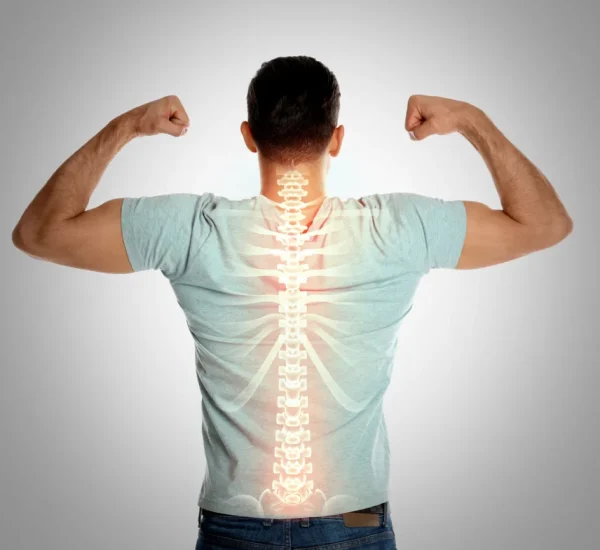
A weak skeleton rarely announces itself early. It waits quietly while your calendar fills, your meals get rushed, and your workouts turn into whatever fits between errands and work. That is why bone health belongs in the same conversation as sleep, strength, food, and aging with confidence. For Americans dealing with desk jobs, long commutes, screen-heavy days, and grocery aisles full of shortcuts, stronger bones are not built through one heroic habit. They come from ordinary choices repeated until your body starts trusting them.
The mistake many people make is treating bones like fixed hardware instead of living tissue. Your bones respond to pressure, fuel, hormones, sunlight, recovery, and consistency. A smarter approach to long-term wellness does not ask you to overhaul your life overnight; it asks you to stop ignoring the quiet systems holding you upright. Readers who follow health, lifestyle, and wellness updates through trusted digital sources such as public health and lifestyle coverage already understand one thing: prevention works best before the problem gets loud.
Food Choices That Build Strength Before Problems Start
Nutrition is where many Americans either overthink the issue or miss it completely. Stronger bones do not come from chasing one miracle food, and they do not come from buying a cabinet full of pills while dinner stays poor. The better move is building meals that give your bones the raw materials they need while still fitting into a normal U.S. routine filled with work lunches, family dinners, grocery budgets, and occasional takeout.
Daily calcium intake that works in real meals
Daily calcium intake sounds simple until you stand in front of the refrigerator and realize your meals are built around speed, not structure. A bowl of cereal in the morning, a salad grabbed at lunch, and a late sandwich may keep you moving, but that pattern can leave your bones underfed. Calcium needs repetition across the week, not one oversized serving when you remember it.
Dairy can help, but it should not be treated as the only path. Yogurt, milk, cheese, fortified plant milks, tofu made with calcium, canned salmon with bones, kale, and collard greens can all belong in a practical eating pattern. The winning plan is not fancy. It is the one you can repeat on Tuesday when life is dull and dinner needs to happen fast.
Daily calcium intake also needs context. If you drink coffee all morning, skip lunch, and eat most of your calories late at night, your bones are dealing with an uneven supply chain. A better rhythm might look like fortified oatmeal at breakfast, a Greek yogurt snack, and greens with dinner. Small anchors beat dramatic promises.
Protein and minerals that keep strong bones supported
Strong bones need more than calcium because bone is not a chalk stick. It has a protein framework, mineral content, and living cells constantly breaking down and rebuilding tissue. That means a plate with enough protein matters, especially for older adults who may eat lighter meals without noticing the long-term cost.
A practical American dinner can handle this without turning into a nutrition spreadsheet. Eggs with spinach, turkey chili with beans, salmon with roasted vegetables, chicken tacos with cabbage slaw, or lentil soup with a side of yogurt can all support strong bones while still tasting like real food. The key is pairing protein with mineral-rich sides instead of letting the plate become one large pile of starch.
Magnesium, vitamin K, potassium, and phosphorus also play supporting roles. That does not mean every meal needs a scientific label. It means beans, leafy greens, nuts, seeds, potatoes, fish, dairy, and whole grains deserve regular space. Bones like boring consistency more than dramatic rescue missions.
Movement That Teaches Bones to Stay Useful
Food gives bones materials, but movement tells them why strength still matters. This is the part many people misunderstand. Walking is good for your body, yet bones often need a stronger signal than gentle movement alone. The skeleton adapts when it feels safe pressure, varied angles, and repeated demand. Without that demand, the body has little reason to keep extra strength around.
Weight-bearing exercise for everyday American schedules
Weight-bearing exercise does not require a gym membership, a trainer, or a dramatic fitness identity. It can begin with brisk walking, stair climbing, dancing, hiking, tennis, pickleball, or carrying groceries from the car instead of making three delicate trips. The point is to make your body work against gravity often enough that your bones get the message.
A useful example sits in almost every suburban neighborhood. Someone who walks the dog twice a day may think they have the movement box checked, and in one sense they do. Yet adding two short hill routes, a weekend trail walk, or stair intervals at a local school can change the signal. The same time block becomes more productive because the body faces more load.
Weight-bearing exercise should also respect where you are starting. A person returning after years of sitting does not need to punish themselves. They need honest progression. Ten minutes today, fifteen next week, then a harder route later. Bones respond to challenge, but joints appreciate manners.
Strength training without pretending everyone loves the gym
Strength training has a public relations problem because people picture mirrors, heavy barbells, and crowded rooms full of confidence they do not feel. That image keeps too many adults away from one of the most useful habits for strong bones. Resistance can come from dumbbells, machines, bands, kettlebells, body weight, or a backpack loaded with books.
The best starting plan is usually plain: squats to a chair, wall pushups, hip bridges, step-ups, rows with a band, and loaded carries. These movements train the muscles that pull on bone and help protect the hips, spine, and wrists. A stronger body also catches itself better when balance slips, which matters because falls often create the injury people feared in the first place.
Progress should feel earned, not reckless. Add resistance when the movement feels controlled, not when pride gets noisy. Two or three sessions a week can change how your body handles stairs, laundry baskets, garden work, and winter sidewalks. That is the kind of strength people notice before they ever measure it.
Daily Habits That Quietly Protect Bone Density
The habits that damage bone density often look harmless because they hide inside normal life. Long sitting, low sunlight, poor sleep, heavy drinking, smoking, crash dieting, and chronic stress rarely feel like bone problems in the moment. They feel like modern life. That is the trap.
Sunlight, vitamin D, and the indoor-life problem
Americans spend a lot of time indoors, and many do it for good reasons. Office work, cold winters, hot summers, safety concerns, long drives, and screen-based entertainment can all shrink sunlight exposure. Vitamin D matters because it helps the body handle calcium, but the lifestyle issue underneath is bigger than one nutrient. Indoor life can slowly disconnect the body from signals it used to receive without planning.
A balanced routine may include short outdoor breaks, meals eaten near daylight, weekend walks, or asking a clinician whether testing or supplementation makes sense. People in northern states, older adults, those with darker skin, and anyone who covers most skin outdoors may need extra attention. Guessing is common. Testing is smarter.
Bone density responds better when your daily environment supports it. That means pairing sunlight awareness with movement, sleep, and food rather than treating vitamin D like a magic switch. A supplement may help the right person, but it cannot cancel a life built around sitting, skipping meals, and sleeping badly.
Sleep, stress, and habits that steal from the skeleton
Poor sleep does not feel like a bone issue when the alarm rings. It feels like grogginess, irritability, cravings, and another cup of coffee. Yet the body repairs and regulates itself during rest, and a life of short sleep makes every other health goal harder. Bones are not separate from that system.
Stress creates another quiet drain. During hard seasons, people skip meals, drink more, move less, and treat exercise like one more demand. The skeleton pays for those coping patterns over time. Not in a dramatic overnight collapse. More like a savings account that gets a little smaller every month while nobody opens the statement.
Smoking and heavy alcohol deserve plain language. They work against long-term wellness, and they do not become harmless because everything else in the routine looks decent. Cutting back, getting help, or replacing the habit with something less damaging may not feel glamorous, but it is adult self-respect in action.
Planning Ahead With Screenings, Safety, and Better Defaults
A strong plan does not end at diet and workouts. At some point, you need to stop guessing. Family history, age, medications, menopause, previous fractures, digestive disorders, and long-term steroid use can all change risk. The smartest people are not the ones who try to manage everything alone; they are the ones who know when to bring in a professional and ask better questions.
When to ask about bone density testing
Bone density testing can feel like something for someone older, frailer, or already injured. That mindset delays useful information. Many women are advised to pay closer attention after menopause, and many men underestimate their own risk because bone loss gets framed as a women’s issue. That framing is lazy. Men break hips too, and the aftermath can be brutal.
A useful conversation with a clinician should include your family history, fracture history, medications, eating patterns, menstrual or menopause history, alcohol use, smoking history, and any conditions that affect nutrient absorption. This is not about fear. It is about replacing vague worry with a clearer picture.
The counterintuitive part is that testing can make people calmer. Once you know where you stand, your choices stop feeling like random wellness advice. You can decide whether food changes, exercise, fall prevention, supplements, or medication deserve attention. Information gives the plan a spine.
Fall prevention as a strength strategy, not a fear strategy
Fall prevention often gets marketed in a way that makes people tune out. Grab bars, clear floors, better lighting, and shoe choices sound like advice for someone else. Then a loose rug, icy step, excited dog, or dark hallway proves how fast pride can meet gravity.
A safer home does not have to look clinical. It can look like brighter stair lighting, shoes that grip, cords moved away from walk paths, bath mats that stay flat, and a habit of keeping the phone off the stairs. For older adults, balance training through tai chi, physical therapy, or simple home drills can protect independence without turning life into a medical project.
Long-term wellness is built from these dull little protections. Nobody brags about removing a tripping hazard. Yet avoiding one bad fall can preserve years of mobility, confidence, and ordinary freedom. That trade is worth taking seriously.
The future of bone health will not be won by people who wait for a scan, a fracture, or a warning from a doctor before paying attention. It will belong to people who treat their skeleton as living infrastructure and give it steady proof that strength still matters. Food, movement, sleep, sunlight, screening, and safer spaces all work better when they stop competing and start acting like one plan.
Your next step does not need drama. Choose one meal upgrade, one strength habit, and one home safety fix this week, then repeat them until they feel normal. Stronger bones are built through decisions that look small from the outside and powerful from the inside. Start before your body has to ask twice.
Frequently Asked Questions
What are the best foods for stronger bones in adults?
Calcium-rich foods, protein, leafy greens, beans, nuts, seeds, fish, and fortified products all support stronger bones. A strong plate includes more than dairy. Aim for steady meals that combine minerals, protein, and enough calories rather than relying on one food to carry the whole job.
How does daily calcium intake help long-term wellness?
Calcium helps maintain the mineral structure bones need to stay firm under stress. Daily calcium intake works best when spread across normal meals, not saved for one large serving. Pair it with vitamin D, protein, and regular movement for better support.
What type of exercise improves bone density fastest?
Resistance training and weight-bearing exercise send the strongest signals to bones. Squats, step-ups, loaded carries, stair climbing, brisk walking, and controlled strength work can all help. Progress matters more than intensity at the start, especially if you have been inactive.
Can walking alone build strong bones after age 50?
Walking helps, but it may not be enough by itself after age 50. Add hills, stairs, resistance bands, light weights, or balance work to create a stronger training signal. Your bones need safe challenge, not endless repetition at the same easy pace.
Why is vitamin D important for bone strength?
Vitamin D helps the body absorb and manage calcium. Low levels can make a decent diet less effective because the body cannot handle the mineral as well. Sunlight, fortified foods, and clinician-guided supplements can all play a role depending on your needs.
How can women protect bones after menopause?
Strength training, calcium-rich meals, vitamin D awareness, protein, fall prevention, and screening conversations matter after menopause. Hormonal changes can speed bone loss, so guessing is a poor strategy. A clinician can help decide whether testing or treatment belongs in your plan.
What habits weaken bones over time?
Smoking, heavy drinking, poor sleep, crash dieting, long sitting, low protein intake, and ignoring fall risks can weaken bones over time. The damage often builds quietly. Replacing one harmful pattern at a time creates a better foundation without making life feel restricted.
When should someone ask a doctor about bone density testing?
Ask about testing if you are older, postmenopausal, have broken a bone from a minor fall, use long-term steroids, smoke, drink heavily, or have a family history of osteoporosis. A simple conversation can turn vague concern into a clear prevention plan.