American homeowners are tired of bills that feel like they were written by a roulette wheel. The roof over your head may be the one part of your house quietly waiting to pay you back, and that is where Solar Power Ideas start to feel less like a trend and more like common sense. Across the USA, families are looking at energy choices with a sharper eye because electricity demand keeps rising, extreme weather keeps testing the grid, and home budgets have less room for waste. A smart energy plan is not about covering every inch of your roof with panels and hoping for the best. It starts with knowing how your home actually uses power, where the sun helps most, and what upgrades make sense for your daily life. Homeowners who want their improvements to reach the right local audience often benefit from stronger digital visibility through trusted home improvement marketing resources, especially as residential energy decisions become more local, practical, and research-driven. The best solar choices do not begin with equipment. They begin with a clearer way of thinking.
Solar Power Ideas That Start With the Home You Already Have
The strongest energy plan does not begin on the roof. It begins inside the house, where your habits, appliances, shade patterns, insulation, and electric bill already tell the truth. Many homeowners rush toward home solar panels before they understand what they are asking those panels to carry. That is backwards. A home that wastes power will still waste power after the panels arrive, and the system may cost more than it needed to.
Reading Your Electric Bill Before Reading Panel Specs
Your electric bill is not boring paperwork. It is a map of how your house behaves when no one is watching. In most U.S. homes, the biggest clues sit in monthly kilowatt-hour use, seasonal spikes, utility rate plans, and any separate charges that stay fixed no matter how much power you save.
A family in Phoenix may see brutal summer peaks from air conditioning, while a household in Massachusetts may notice winter loads rising if heat pumps or electric space heaters do the heavy lifting. Those patterns matter because residential solar energy should match real demand, not a sales estimate built around a perfect roof and a perfect month.
The counterintuitive part is that a smaller solar system can be the smarter buy. If better attic insulation, LED lighting, or a more efficient heat pump cuts your demand first, the solar system can shrink without shrinking your comfort. Less equipment can mean better payback.
Fixing Hidden Energy Leaks Before Adding Panels
Home solar panels perform best when they serve a house that is already disciplined. Air leaks around attic hatches, old ductwork, aging refrigerators, and poorly sealed windows can all make a solar project work harder than it should. The sun may be free, but equipment is not.
Many homeowners skip the unglamorous fixes because they want the visible upgrade. A panel array looks like progress from the curb. Weatherstripping does not. Yet a leaky house behaves like a bucket with a crack in it, and adding more energy to that bucket does not solve the crack.
A basic energy audit can reveal where comfort and cost are slipping away. Some utilities offer audits or rebates, and many states support efficiency programs that pair well with renewable energy at home. That quiet prep work often decides whether the solar project feels brilliant five years later or slightly oversized from day one.
Matching Solar Choices to Real American Lifestyles
A solar setup should match how you live, not how a brochure imagines you live. A retired couple in Florida, a remote worker in Colorado, and a young family in suburban Ohio may all want lower bills, but they do not use electricity in the same rhythm. The right design respects that rhythm. This is where residential solar energy becomes personal instead of generic.
Home Solar Panels for Daytime, Evening, and Remote Work Use
Daytime power use changes the math. If someone works from home, runs laundry in the afternoon, charges devices during business hours, or keeps the air conditioning active while the sun is high, solar production can meet more of the home’s demand as it happens. That can make home solar panels feel more directly useful.
A commuter household may have a different pattern. The house sits quiet during peak sunlight, then wakes up in the evening when everyone returns, cooks dinner, watches TV, and charges electronics. In that case, the value of solar depends more heavily on utility credits, rate plans, and whether stored energy makes sense.
Remote work has quietly changed home energy planning. The spare bedroom turned office now carries computers, monitors, climate control, lighting, and network equipment. That shift can make renewable energy at home feel less like a lifestyle badge and more like protection against the cost of working under your own roof.
Solar Battery Storage for Power Security, Not Only Savings
Solar battery storage gets marketed as a bill-saving tool, but its deeper value often shows up when the lights go out. In parts of California, Texas, Louisiana, Florida, and the Northeast, storms, heat waves, wildfires, and grid strain have changed how homeowners think about backup power. Peace of mind has a price, and for some families, that price makes sense.
The honest answer is that solar battery storage does not fit every household. Batteries add cost, and the financial return depends on utility rates, blackout risk, incentives, and how the system operates. A homeowner with rare outages and strong net metering may not need one right away.
A battery makes the most sense when backup power has real household value. If you need refrigeration for medication, run a home office that cannot lose power, or live where outages stretch from inconvenience into disruption, storage moves from nice-to-have to worth serious thought. Savings matter, but so does sleeping through a storm without wondering whether the sump pump will quit.
Designing a System Around Roofs, Yards, and Local Rules
The roof gets all the attention, but the whole property shapes the solar outcome. Sun angle, tree shade, roof age, local permitting, homeowners association rules, and utility policies all push the final design in one direction or another. A smart homeowner treats solar as a property project, not only an energy project.
Roof Shape, Shade, and the Cost of Getting It Wrong
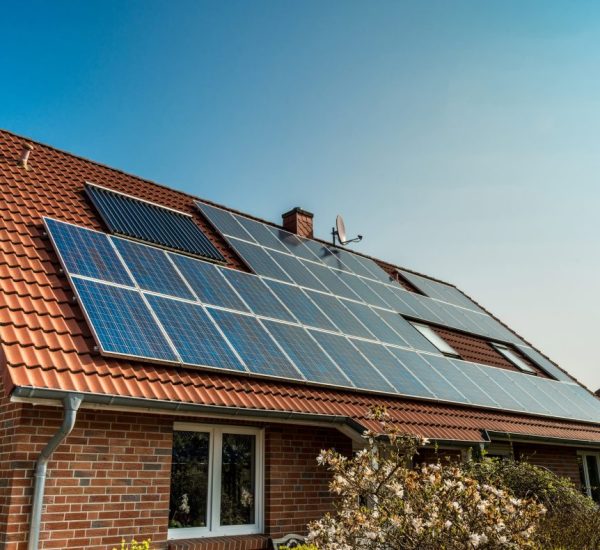
A perfect south-facing roof sounds great, but real homes are messier. Dormers, vents, chimneys, skylights, tree canopies, and mixed roof angles can break one large solar zone into smaller working areas. Good design works around those limits instead of pretending they do not exist.
Shade deserves special respect. A beautiful maple tree that cools the backyard may also cut afternoon production across part of the array. Removing a tree can improve power output, but it may raise cooling needs or reduce curb appeal. That tradeoff is not always obvious on a sales chart.
Roof age matters even more than many homeowners expect. Installing panels on shingles with only a few good years left can create a future headache. Removing and reinstalling panels for roof replacement costs money, so the better move is often to handle roof work first and let the solar system sit on a surface ready for the long haul.
Renewable Energy at Home Beyond the Roofline
Renewable energy at home does not always mean rooftop panels. Ground-mounted systems can work well for rural properties, larger lots, or homes with shaded roofs. Carport solar can also serve homeowners who want covered parking and power production in the same footprint.
The yard can tell a different story than the roof. A house under heavy tree cover may still have a sunny back field, side lot, or detached garage. In some regions, that flexibility can turn a weak roof project into a strong property-wide plan.
Local rules shape the final decision. Some counties process solar permits fast, while others move slowly. Some HOAs have design standards, though many states limit how far associations can go in blocking solar access. The wise move is to check rules early, because paperwork friction can ruin a timeline faster than equipment delays.
Thinking Beyond Installation Day
Solar is not a one-day purchase. It becomes part of how your home runs for years, which means the decision should include maintenance, future appliances, resale value, and changing family needs. The best systems leave room for tomorrow without charging you for fantasy upgrades today.
Planning for Electric Cars, Heat Pumps, and Future Loads
A home that feels efficient now may use more electricity later. Electric vehicles, induction ranges, heat pump water heaters, and all-electric HVAC systems can change household demand in a hurry. That does not mean every homeowner should oversize a solar system today. It means you should design with the next decade in mind.
An EV is the big one. A driver who charges at home several nights a week may add a major new load, especially with a long commute. If your household expects to buy an electric car soon, bring that into the solar conversation before the design is final.
Still, future-proofing has limits. Paying for panels you do not need for years can tie up money that could serve better elsewhere. A clean electrical panel, space for later expansion, and a design that avoids boxing in future equipment may offer a smarter middle path.
Financing Choices That Deserve a Second Look
The way you pay for solar can matter as much as the hardware itself. Cash purchases, loans, leases, and power purchase agreements all carry different tradeoffs. A low monthly payment can look attractive, but the fine print decides whether the deal strengthens your finances or drags behind the home for years.
Ownership usually gives homeowners the clearest claim to incentives and long-term savings, though not every family wants or can afford the upfront cost. Loans spread payment over time, but interest rates affect the outcome. Leases and power purchase agreements may lower entry barriers, yet they can complicate resale or limit financial upside.
A good proposal should make the numbers plain. You should understand system size, expected yearly production, warranty terms, payment structure, utility credit assumptions, and what happens if you sell the home. If the answer arrives wrapped in pressure, slow down. Good energy decisions do not need a stopwatch.
Conclusion
A smarter home energy plan begins with patience, not panic. The homeowners who get the most from solar are not always the ones with the biggest roofs or the flashiest equipment. They are the ones who study their power use, tighten the house first, match the system to daily life, and refuse to let sales language replace clear thinking. Solar Power Ideas work best when they respect the messy truth of American homes: different climates, different utility rules, different budgets, and different reasons for wanting more control. Your next step is simple: pull your last 12 months of electric bills, note your biggest seasonal spikes, and schedule one serious home energy review before requesting solar quotes. The sun can do a lot for your house, but only after you decide what job you actually want it to do.
Frequently Asked Questions
What are the best solar power ideas for small homes?
Smaller homes often benefit from energy-efficiency upgrades before panel installation. Start with insulation, efficient appliances, LED lighting, and a review of your electric bill. A compact solar system can work well when the home already keeps waste under control.
How do home solar panels lower monthly energy bills?
Panels produce electricity during daylight hours, which can reduce the amount of power you buy from the utility. Savings depend on your local rates, roof sunlight, system size, and net metering rules. Homes with strong daytime use often see the clearest benefit.
Is residential solar energy worth it in cloudy states?
Cloudy states can still support strong solar results because panels produce power from daylight, not only direct sun. The financial outcome depends on local electricity prices, incentives, roof condition, and utility policy. Many northern homeowners still find the numbers attractive.
How much does solar battery storage help during outages?
A battery can keep selected circuits running when the grid fails, depending on its size and setup. Many systems support essentials such as refrigeration, lights, internet, and medical devices. Whole-home backup requires more equipment and a larger budget.
What should I check before installing renewable energy at home?
Review your roof age, shade, electric bill history, utility rate plan, and local permit rules. Also check whether your electrical panel can support the project. These details shape cost, performance, and how easily the installation moves forward.
Can solar panels increase home value in the USA?
Owned solar systems can make a home more attractive to buyers who want lower energy costs. Value depends on location, system age, warranty, electricity rates, and whether the panels are owned or leased. Clear documentation helps during resale.
Do solar panels work with electric vehicle charging?
Solar panels can offset some or much of the electricity used for EV charging, depending on system size and driving habits. Homeowners planning to buy an electric car should include expected charging needs during solar design.
What is the first step for planning a home solar project?
Start with 12 months of electric bills and a basic home energy review. That shows your true usage pattern before anyone designs a system. Better information leads to better quotes, fewer surprises, and a cleaner long-term decision.