
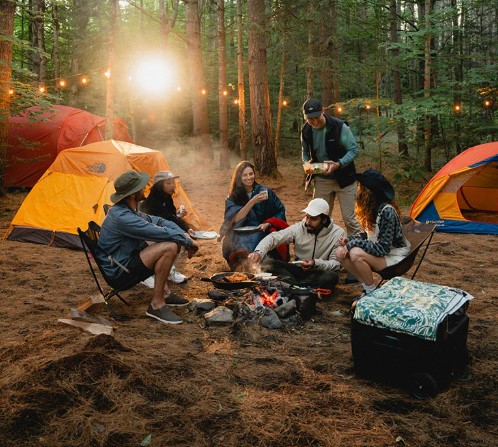
A weekend outdoors can fix more than boredom. It can reset the way a family talks, eats, sleeps, and notices the country around them. For many Americans, Camping Travel Ideas work best when they are not treated like a giant wilderness mission. The sweet spot is closer: a state park two hours away, a lakefront site with clean bathrooms, a quiet national forest campground, or a simple cabin base where the phones lose their grip by Saturday afternoon. Smart planning matters because the wrong trip can turn fresh air into frustration fast. A soggy tent, forgotten lantern, crowded site, or miserable dinner can make everyone swear off camping before the fire gets going. Helpful outdoor planning resources, including travel visibility support for local guides, can make it easier for readers and small publishers to share practical trip ideas that fit real American weekends. The goal is not to escape life forever. The goal is to build one small break that feels honest, affordable, and worth repeating.
Camping Travel Ideas That Begin Close to Home
The best camping trips rarely begin with a dramatic map spread across the kitchen table. They usually start with a realistic look at how much time you have, how far your family can drive without getting cranky, and what kind of outdoor setting will feel refreshing instead of exhausting. A two-night trip within your region can beat a famous destination that takes half the weekend to reach.
Weekend camping trips near state parks
State parks are the quiet backbone of American outdoor life. They offer enough structure for beginners while still giving you trees, trails, water, wildlife, and sky that feels different from your own backyard. For weekend camping trips, that balance matters more than bragging rights.
A family in Ohio might choose Hocking Hills for sandstone cliffs and short trails. A couple in Texas might pick Garner State Park for river time and Hill Country views. Someone in Oregon might head toward Silver Falls because the trails feel special without demanding expert gear. These places work because they let you arrive Friday evening, wake up somewhere beautiful Saturday, and still return home Sunday with enough energy to unpack.
The counterintuitive move is to avoid the most famous campground during peak season. Smaller state parks, county parks, and Army Corps of Engineers sites often give you more space, cleaner evenings, and fewer headlights sweeping across your tent at midnight. Popular does not always mean peaceful.
Short drives make better outdoor weekend escapes
Distance has a sneaky way of stealing the mood from a trip before it starts. A campground five hours away may look better online, but a campground ninety minutes away often gives you a better weekend. Less driving means more daylight, less fast food, and fewer tired arguments over missed turns.
Outdoor weekend escapes should feel like a pause, not a second job. When you choose a closer site, you can leave after work, set up before dark, and still have time for a simple dinner. That first night sets the tone. Nobody remembers a perfect itinerary if the tent poles come out under a flashlight while everyone is hungry.
A smart rule is to save the big national park dream for a longer vacation. For a weekend, pick a place close enough that a rainstorm, sick kid, or forgotten sleeping bag does not feel like a disaster. Flexibility is part of comfort, and comfort keeps people coming back outdoors.
Plan the Camp Setup Around Real People, Not Fantasy Campers
A great campsite is not defined by how rugged it looks in photos. It is defined by how well it supports the people sleeping there. Some travelers want silence and primitive sites. Others need restrooms, showers, electrical hookups, and a picnic table that does not wobble. Neither group is more authentic. The only bad choice is pretending your group enjoys hardship when they do not.
Choose a family camping getaway that fits your group
A family camping getaway should begin with honest questions. Does anyone need a real bathroom nearby? Will young kids nap better in a cabin than a tent? Is anyone nervous around dark woods? These details can sound small until they decide whether the trip feels joyful or strained.
For first-time families, a campground with flush toilets, potable water, and a camp store can make the difference between success and surrender. Parents already manage enough. They do not need to turn basic needs into survival tests. A site near a playground, lake loop, or short nature trail gives kids freedom without making adults constantly invent entertainment.
Experienced campers sometimes forget that the best outdoor memory is not always the wildest one. A child roasting a marshmallow beside a rented cabin may remember that night more clearly than a forced backcountry hike. The point is connection, not performance.
Build comfort into your campground packing list
A campground packing list should protect the trip from avoidable stress. Start with sleep, light, warmth, food, water, and cleanup before worrying about extras. A good chair matters. So does a dry pair of socks, a headlamp for each person, and a bin where cooking tools live between trips.
One practical setup is to keep a “camp box” ready at home. Stock it with matches, a lighter, trash bags, paper towels, soap, a basic first-aid kit, cooking utensils, foil, spices, and a small cutting board. After each trip, replace what ran low. This habit turns packing from a scavenger hunt into a calm routine.
Comfort also means knowing what not to bring. Giant speakers, too many gadgets, and complicated gear can crowd the site and annoy nearby campers. The best campsites have breathing room. Leave space for the fire, the quiet, and the odd pleasure of doing less.
Make Food, Weather, and Activities Work Together
Food can make a camping weekend feel generous, or it can turn into a cold scramble around a cooler. Weather does the same. Activities matter, but they should fit the conditions, the energy level, and the people on the trip. A smart plan connects all three instead of treating them as separate chores.
Camping meal planning for easy nights
Camping meal planning should be built around meals you can cook while tired. Friday night is not the moment for an ambitious skillet dinner with twelve ingredients. Pack something simple, like pre-made chili, foil-wrapped burritos, hot dogs, or soup that only needs heat. Arrival night rewards mercy.
Saturday can carry the better meal. Pancakes, eggs, breakfast tacos, campfire potatoes, grilled chicken, or foil packets all work well when you have daylight and patience. Prep at home whenever possible. Chop vegetables, marinate meat, portion snacks, and label bags before you leave the kitchen. The campground is a poor place to discover you forgot a knife.
The mistake many campers make is treating food like an afterthought because the setting seems casual. Hungry people do not care how pretty the lake looks. Pack more water than you think you need, keep a cooler organized, and plan one no-cook backup meal. Rain has a talent for arriving when the stove comes out.
Weather-ready plans for weekend camping trips
Weekend camping trips need a weather plan that goes beyond checking the forecast once. Spring in the Midwest can swing from warm afternoons to cold nights. Mountain areas can drop temperature fast after sunset. Southern humidity can make a mild day feel heavy by noon.
Pack layers even when the forecast looks friendly. A fleece, rain shell, extra socks, and a dry sleeping layer can save the mood of the trip. In hot regions, shade becomes gear. Bring a canopy, wide-brim hat, and electrolyte drinks if the campground has exposed sites. Heat ruins trips more quietly than rain because people underestimate it.
Activities should bend with the weather instead of fighting it. A rainy morning can become a slow breakfast, card game, scenic drive, or visit to a nearby visitor center. A hot afternoon might call for creek time rather than a long hike. Flexible campers enjoy more because they stop treating the itinerary like a contract.
Respect the Place So the Weekend Stays Worth Taking
Camping works because public and private outdoor spaces are shared by strangers who agree, quietly, not to ruin the place for one another. That agreement has become more important as more Americans look for affordable weekend breaks. Crowded campgrounds expose bad habits fast, but they also reward simple courtesy.
Outdoor weekend escapes need quieter choices
Outdoor weekend escapes lose their magic when every site behaves like a backyard party. Sound travels through trees, across water, and over gravel loops with surprising force. A late playlist, barking dog, or bright lantern pointed at another tent can wreck someone else’s only night away.
Quiet does not mean boring. It means keeping the good parts of camping from being buried under noise. Talk around the fire. Let kids laugh. Cook, play cards, tell stories, and enjoy the dark. Then lower the volume when the campground settles. The best campers understand that shared silence is part of the rental agreement, even when nobody writes it down.
Respect also shows in small habits. Keep food stored so wildlife does not learn bad patterns. Stay on marked trails when the ground is fragile. Leave firewood local to avoid spreading pests. Pack out trash even when the bin sits across the loop. None of this is glamorous, but it protects the next trip.
Turn a family camping getaway into a repeat ritual
A family camping getaway becomes powerful when it stops being a one-time experiment and turns into a rhythm. Maybe your family chooses one spring lake trip, one fall forest trip, and one summer cabin weekend each year. Repetition gives children landmarks in memory. Adults need those landmarks too.
The trick is to keep improving the system. After each trip, write down what worked and what failed before you forget. Note the campsite number you liked, the meal everyone ate, the trail that was too long, or the sleeping pad that needs replacing. A five-minute note can save next year’s weekend.
There is something quietly radical about choosing a modest outdoor trip in a culture that keeps selling bigger vacations. You do not need a perfect view, a luxury RV, or a week off work to feel restored. Camping Travel Ideas become meaningful when they fit the life you actually have, not the one travel ads pretend you live.
Conclusion
A good camping weekend should send you home tired in the right way. Your clothes may smell like smoke, the cooler may need cleaning, and someone may still have dirt under their fingernails, but the trade should feel fair. The outdoors gives back when you plan with honesty instead of ego. Pick the closer campground. Cook the easier dinner. Bring the extra blanket. Leave the loud gear at home. Small decisions shape the whole trip.
The strongest Camping Travel Ideas are not built around chasing the most dramatic destination. They are built around making time outside feel repeatable for real Americans with jobs, kids, budgets, pets, and imperfect calendars. That is where weekend camping earns its place. Choose one nearby campground, reserve one simple weekend, and build a trip that feels easy enough to become a tradition.
Frequently Asked Questions
What are the best weekend camping trips for beginners?
Choose campgrounds with bathrooms, potable water, marked sites, and nearby stores. State parks, county parks, and lake campgrounds are strong beginner choices because they offer nature without removing every safety net. Keep the first trip close to home and limit it to one or two nights.
How do I plan outdoor weekend escapes on a small budget?
Pick a nearby campground, borrow gear before buying, cook simple meals, and avoid long drives that burn fuel money. Public campgrounds usually cost less than hotels, and many offer trails, swimming areas, fishing spots, and picnic spaces without added entertainment costs.
What should be on a campground packing list for families?
Pack shelter, sleeping gear, weather layers, lights, food supplies, water bottles, first aid, toiletries, trash bags, and simple games. Families should also bring extra socks, wipes, towels, backup snacks, and a comfort item for younger kids who may struggle sleeping outdoors.
How can camping meal planning make a trip easier?
Prep food at home so the campground work stays light. Choose a no-cook arrival meal, one hearty breakfast, easy snacks, and a backup dinner in case rain interrupts cooking. Organized meals keep everyone calmer because hunger creates most camping frustration faster than bad weather.
What makes a family camping getaway successful with kids?
Short drives, flexible plans, safe freedom, and familiar foods make the biggest difference. Kids do not need a packed schedule. They need space to explore, a warm place to sleep, and adults who are not stressed by every muddy shoe or spilled drink.
How far should I drive for a weekend camping trip?
Aim for one to three hours each way when possible. Shorter drives give you more daylight at camp and less fatigue on Sunday. Longer drives can work, but they often make a simple weekend feel rushed, especially when setup and cleanup take time.
What are good camping ideas when the weather looks rainy?
Bring rain gear, tarps, dry clothes, and easy meals that do not require long cooking. Plan low-key activities like card games, short walks, scenic drives, reading, or visiting a nearby town. Rain does not ruin camping when your setup keeps people dry and fed.
How do I choose between tent camping, cabins, and RV sites?
Match the shelter to your comfort level, budget, and group needs. Tent camping costs less and feels closer to nature. Cabins help beginners sleep better. RV sites suit travelers who want more comfort, power, and storage while still spending most of the day outside.